 Save to Pinterest
 There's something about the first warm evening of spring that makes me crave pasta, and this creamy dill dish emerged from one of those nights when I had a lemon sitting on the counter, a bunch of dill that needed using, and the kind of hunger that only pasta can fix. I threw together what felt right—butter, garlic, cream, a squeeze of lemon—and the moment that silky sauce coated the fettuccine, I knew I'd stumbled onto something special. It's become my go-to when I want something that tastes elegant but comes together in the time it takes to boil water and tell someone about my day.
I made this for my sister who claimed she didn't eat cream sauces, and she went back for seconds without realizing it—the lemon juice cuts through everything so cleanly that it feels fresh rather than rich. Her surprised face when I told her what was in it made me laugh, and now it's what she requests whenever I cook.
Ingredients
- Pasta (350g): Fettuccine, linguine, or penne all work beautifully—pick whatever you have, though I love how fettuccine ribbons catch the sauce.
- Unsalted butter (2 tbsp): This is your base for flavor, so use good butter if you can.
- Garlic (2 cloves, minced): Fresh is essential here; it blooms in the butter and becomes sweet and mellow.
- Lemon zest (from 1 lemon): This adds brightness without acidity—use a fine grater or microplane to keep the pieces delicate.
- Heavy cream (200 ml): The heart of the sauce; don't skip it or substitute unless you truly need to.
- Fresh lemon juice (2 tbsp): Squeeze it just before using so it's at its liveliest.
- Dijon mustard (1 tsp): A secret ingredient that deepens the flavor without tasting mustard-y.
- Salt and black pepper: Taste as you go; this matters more than you'd think.
- Parmesan cheese (40g, grated): Freshly grated makes a real difference in how smoothly it melts into the sauce.
- Fresh dill (3 tbsp, chopped): Add it at the end so it stays bright and herbaceous.
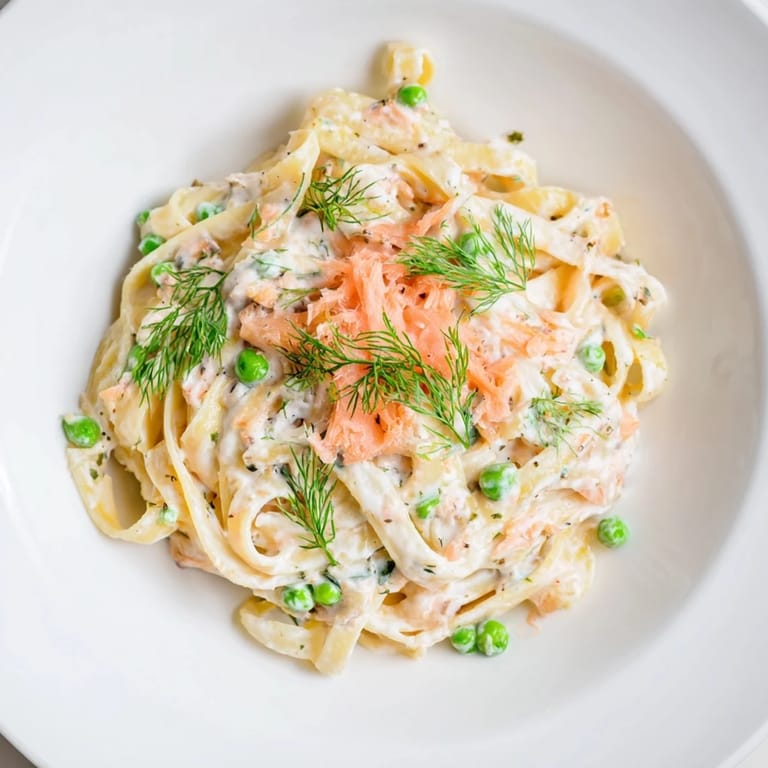
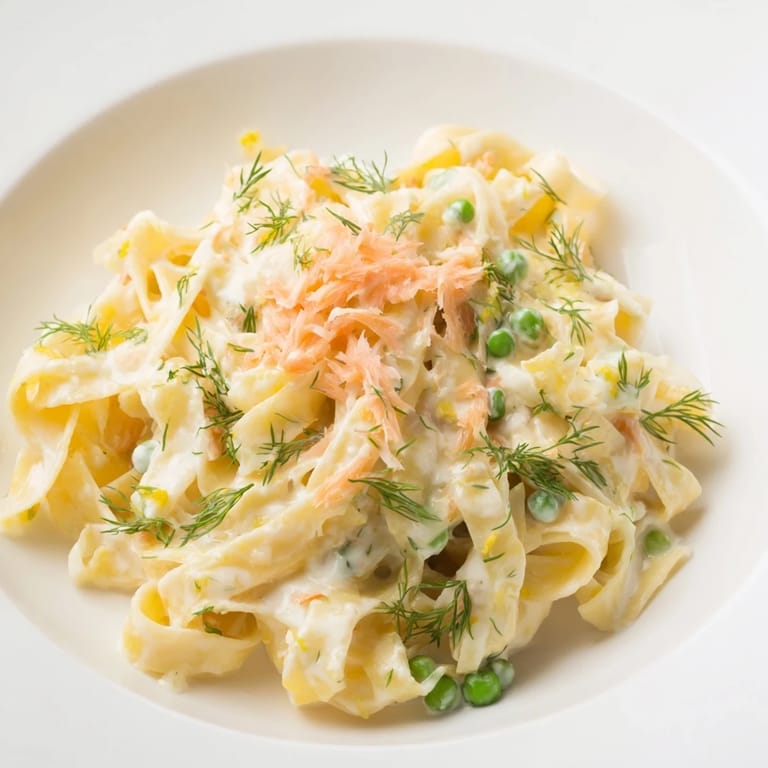
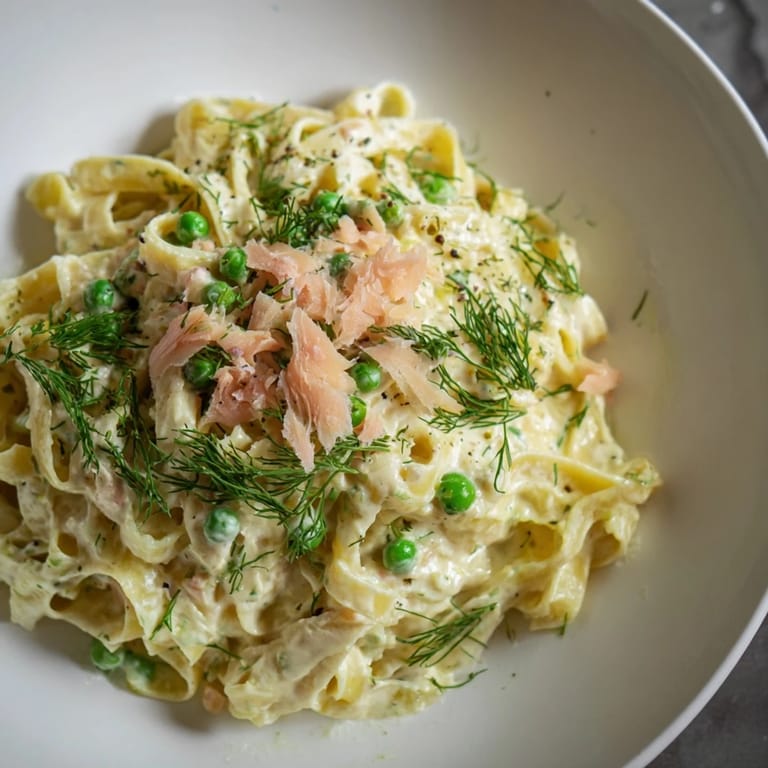
- Optional peas (1 cup) and smoked salmon (150g): Both turn this into something a bit more special without changing the core.
Tired of Takeout? 🥡
Get 10 meals you can make faster than delivery arrives. Seriously.
One email. No spam. Unsubscribe anytime.
Instructions
- Boil the water and cook the pasta:
- Fill a large pot generously with water and salt it well—it should taste like the sea. Bring it to a rolling boil, add the pasta, and cook until just al dente; you want it to have a slight resistance when you bite it.
- Start the sauce while pasta cooks:
- In a large skillet, melt the butter over medium heat until it foams. Add the minced garlic and lemon zest, stirring gently for about a minute until the kitchen smells amazing.
- Build the creamy base:
- Pour in the heavy cream slowly while stirring, then add the lemon juice and Dijon mustard. Let it simmer gently for 2 to 3 minutes—you want it to thicken slightly but never boil aggressively.
- Add the Parmesan and seasonings:
- Sprinkle in the grated Parmesan and stir until it melts completely and the sauce turns silky smooth. Taste it and add salt and pepper until it tastes right to you.
- Combine and finish:
- Drain the pasta, reserving about half a cup of that starchy water. Add the pasta to the skillet and toss gently, adding splashes of pasta water until the sauce coats everything evenly.
- Add the dill and final touches:
- Stir in the chopped dill and peas if you're using them, tossing until everything is heated through and well combined. Taste one more time and adjust seasoning if needed.
 Save to Pinterest
 One afternoon when my friend came over unexpectedly hungry, I made this and served it with a cold glass of Sauvignon Blanc, and we ended up talking for three hours at the table. Something about how simple and elegant it felt made the conversation flow easier, and I realized this dish has a quiet gift for turning a meal into a moment worth lingering in.
Why Lemon and Dill Are Perfect Together
These two ingredients understand each other in a way that feels almost musical—the lemon's brightness and sharpness plays against dill's subtle anise-like warmth, and together they lift a cream sauce that would otherwise sit heavy on your plate. The lemon juice adds acidity without being sour, while the zest brings an almost floral note that makes you pause mid-bite and think about what makes it taste so good. This combination is why you can eat a full bowl and feel refreshed rather than stuffed.
Making It Your Own
The beauty of this recipe is how forgiving it is—you can introduce your own flavors without breaking what makes it work. If you have fresh asparagus or sautéed mushrooms on hand, they belong here completely, adding texture and depth. Some people stir in a handful of fresh spinach at the end, and it melts into the sauce like it was always meant to be there, adding color and a slight earthiness that balances the brightness.
Serving and Pairing Ideas
Serve this straight from the skillet while it's still steaming, and don't be shy about grating extra Parmesan over each plate—it adds a little salty crunch that makes every bite better. A crisp white wine, ideally something with a little acidity like Sauvignon Blanc or Pinot Grigio, cuts through the cream and echoes the lemon notes in a way that feels intentional and lovely.
- If you're adding smoked salmon, place it on top after plating so it doesn't break apart in the heat.
- Fresh dill as garnish matters more than you'd think—it catches the light and reminds you of what makes this dish bright.
- A squeeze of fresh lemon juice at the table is always welcome if someone wants even more zing.
 Save to Pinterest
 This is the kind of dish that quietly becomes a favorite, not because it's complicated but because every element serves the whole beautifully. Make it tonight and taste how simplicity, when done right, feels like generosity on a plate.
Recipe FAQs
- → What type of pasta works best?
Long shapes like fettuccine, linguine, or penne hold the sauce beautifully and complement the creamy texture.
- → Can I substitute heavy cream?
Yes, half-and-half can be used for a lighter sauce while maintaining smoothness.
- → How does lemon zest affect the flavor?
Lemon zest adds bright, citrusy aroma without acidity, balancing the richness of the cream.
- → Is fresh dill essential?
Fresh dill imparts a distinctive herbal note that brightens the dish; dried dill is less flavorful in comparison.
- → How to adjust seasoning properly?
Taste before serving and add salt or black pepper to enhance the creamy, tangy balance.
- → What pairs well with this dish?
A crisp white wine like Sauvignon Blanc and sautéed vegetables such as asparagus or mushrooms complement the flavors.