 Save to Pinterest
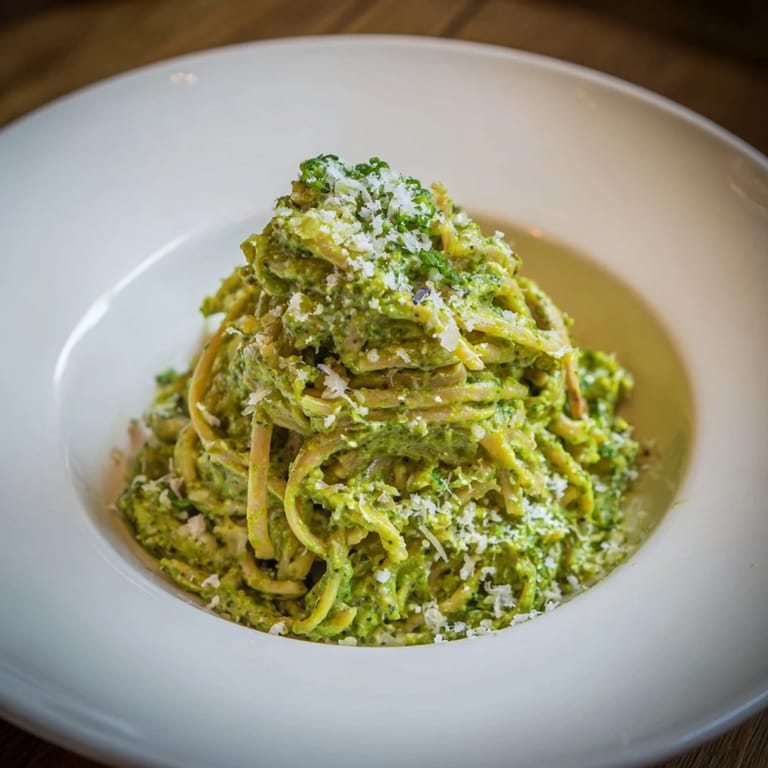
 I threw this together on a Wednesday night when the crisper drawer was overflowing with half-used herb bunches and wilting greens. The blender turned it all into something so bright and creamy I stood at the counter eating it straight off the spoon. My partner walked in, saw the green sauce, and asked if I was making pesto. Close, I said, but better.
I made this for friends who claimed they hated green things. They went quiet after the first bite, then one of them asked if I had more pasta. I did not. We scraped the bowl clean with bread instead, and now they text me every few weeks asking when I am making the green stuff again. It is the kind of recipe that turns skeptics into believers without any effort on your part.
Ingredients
- Baby spinach: The backbone of the sauce, mild enough to blend into creamy oblivion without tasting swampy. I buy the pre-washed tubs because life is short.
- Green cabbage: Adds body and a subtle sweetness that balances the herbs. Chop it small so the blender does not have to work so hard.
- Fresh parsley: Bright and grassy, it keeps the sauce from tasting like only basil. Use the leaves and thin stems, toss the thick woody bits.
- Fresh basil: The aromatic star. If your basil is starting to bruise, this is the perfect way to save it.
- Fresh chives: Oniony but gentle. Snip them with scissors directly over the blender if you want to feel efficient.
- Fresh tarragon: Optional but worth it if you have it. Adds a hint of anise that makes people ask what the secret ingredient is.
- Garlic: Two cloves give a warm hum of flavor without punching you in the face. Peel them and toss them in whole.
- Green onions: The white and green parts both go in. They add sharpness and a little bite.
- Avocado: This is what makes the sauce silky instead of just herby. Use a ripe one or the texture will be grainy.
- Greek yogurt or sour cream: Tangy creaminess that clings to pasta. I prefer Greek yogurt for the protein boost.
- Mayonnaise: Do not skip this. It emulsifies everything into one smooth, glossy sauce.
- Parmesan cheese: Adds umami and a little saltiness. Grate it yourself if you can, the pre-shredded stuff does not melt the same way.
- Lemon juice: Freshly squeezed is the only way. It wakes up all the other flavors and keeps the sauce tasting bright.
- White wine vinegar: A small splash that sharpens the edges. You will not taste vinegar, just balance.
- Olive oil: Smooths everything out and adds richness. Pour it in while the blender runs if you want to feel like a cooking show host.
- Salt and black pepper: Season twice, once in the blender and again after tasting. The pasta water adds more salt later so go easy at first.
- Crushed red pepper flakes: Optional heat. I add a pinch because I like a little danger.
- Pasta: Long noodles like linguine work best because they twirl up with the sauce. Short shapes are fine too, just less dramatic on the fork.
Tired of Takeout? 🥡
Get 10 meals you can make faster than delivery arrives. Seriously.
One email. No spam. Unsubscribe anytime.
Instructions
- Boil the pasta:
- Fill a large pot with water, salt it like the sea, and bring it to a rolling boil. Cook the pasta until it still has a little bite, then scoop out half a cup of the starchy water before you drain. That cloudy water is liquid gold for thinning the sauce.
- Blend the sauce:
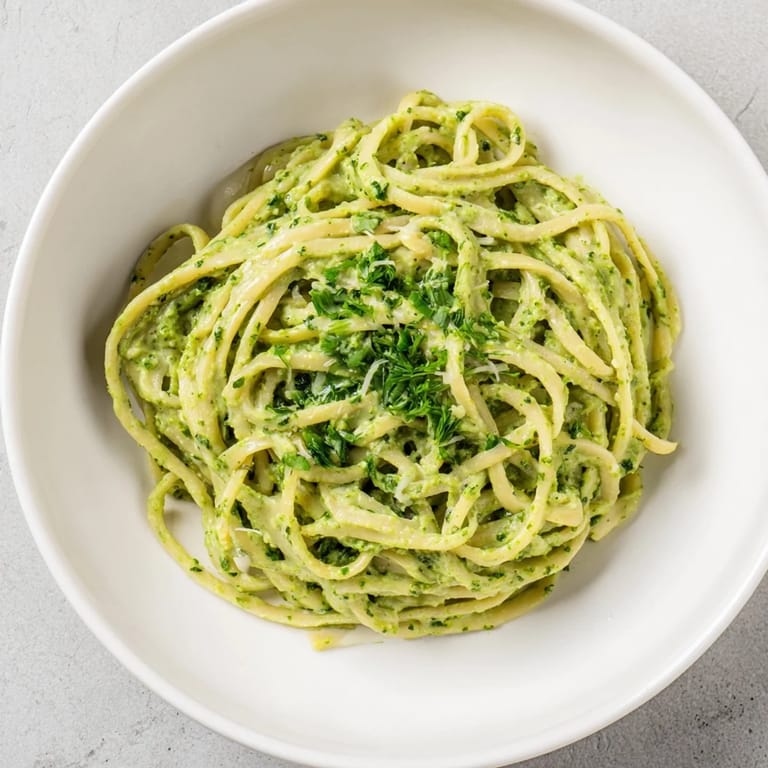
- Pile all the greens, herbs, garlic, green onions, avocado, yogurt, mayo, Parmesan, lemon juice, vinegar, olive oil, salt, and pepper into the blender. Blend until it looks like a creamy green dream, stopping to scrape the sides if anything gets stuck. If it is too thick, add the reserved pasta water one tablespoon at a time.
- Taste and adjust:
- Dip a spoon in and taste it. Add more salt if it tastes flat, more lemon if it needs brightness, more pepper if you want a kick.
- Toss and serve:
- Pour the sauce over the hot drained pasta and toss it all together until every strand is coated. Serve it right away with extra herbs and Parmesan on top if you are feeling generous.
 Save to Pinterest
 The first time I served this, someone said it tasted like spring in a bowl. I had made it in January. That is when I knew it was a keeper, not just because it tasted good, but because it made people forget what month it was. Food that can do that is worth making again and again.
How to Store and Reheat
The sauce keeps in the fridge for up to three days in an airtight container, though it will darken a little as the herbs oxidize. Stir it before using and add a splash of water or olive oil to loosen it back up. Leftover dressed pasta is also great cold, eaten straight from the container while standing in front of the open fridge.
Variations That Actually Work
Swap the Greek yogurt for cashew cream if you want it vegan, and use nutritional yeast instead of Parmesan. I have also made this with kale instead of spinach when that is what I had, though you might want to blanch the kale first unless you like a sharper flavor. Adding toasted walnuts or pine nuts before blending makes it richer and almost pesto-like, in the best way.
Serving Suggestions
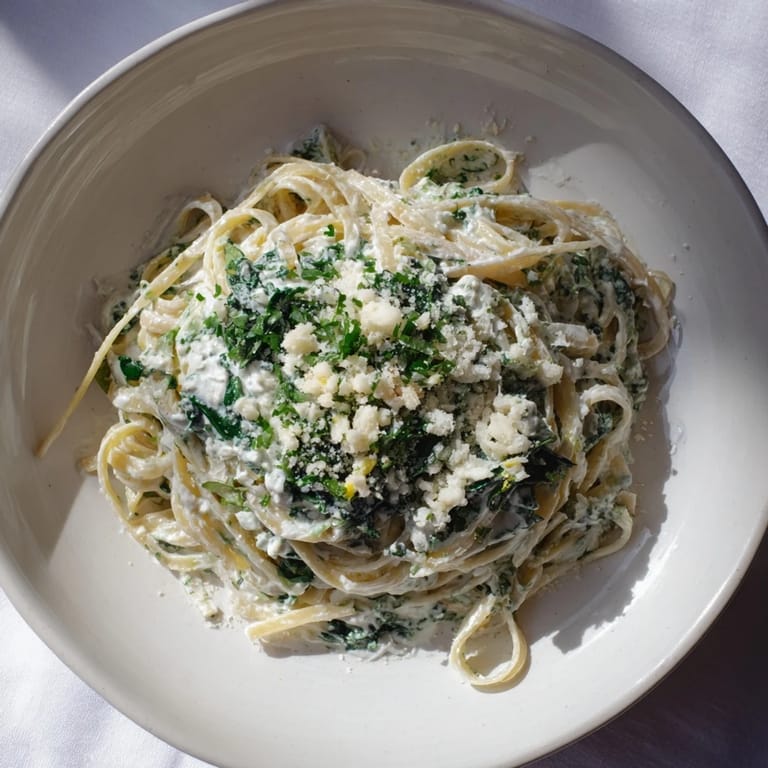
This works hot as a weeknight dinner or cold as a pasta salad for lunch the next day. I have served it alongside grilled chicken, roasted salmon, or just a hunk of crusty bread. It does not need much else.
- Top with halved cherry tomatoes for color and a little acid.
- Add grilled shrimp or chickpeas if you want more protein.
- Serve with a crisp white wine that has enough acidity to cut through the creaminess.
 Save to Pinterest
 This is the kind of recipe I make when I want dinner to feel special without any real effort. It tastes like I tried hard, even though I mostly just emptied the fridge into a blender and hoped for the best.
Recipe FAQs
- → What greens are used in this sauce?
A combination of baby spinach, chopped green cabbage, parsley, basil, chives, and optional tarragon provide the fresh, vibrant base.
- → Can this sauce be made vegan?
Yes, substitute plant-based yogurt and vegan mayonnaise, and replace Parmesan with a vegan alternative or omit entirely.
- → How do I adjust the sauce consistency?
Add reserved warm pasta water gradually while blending to reach a smooth, pourable texture suitable for coating pasta.
- → What pasta types work best here?
Linguine, spaghetti, penne, or similar dried pasta work well to capture and complement the creamy sauce.
- → What flavor profile does the sauce have?
It features a creamy, herbaceous taste with bright acidity from lemon juice and white wine vinegar, balanced by garlic and Parmesan.