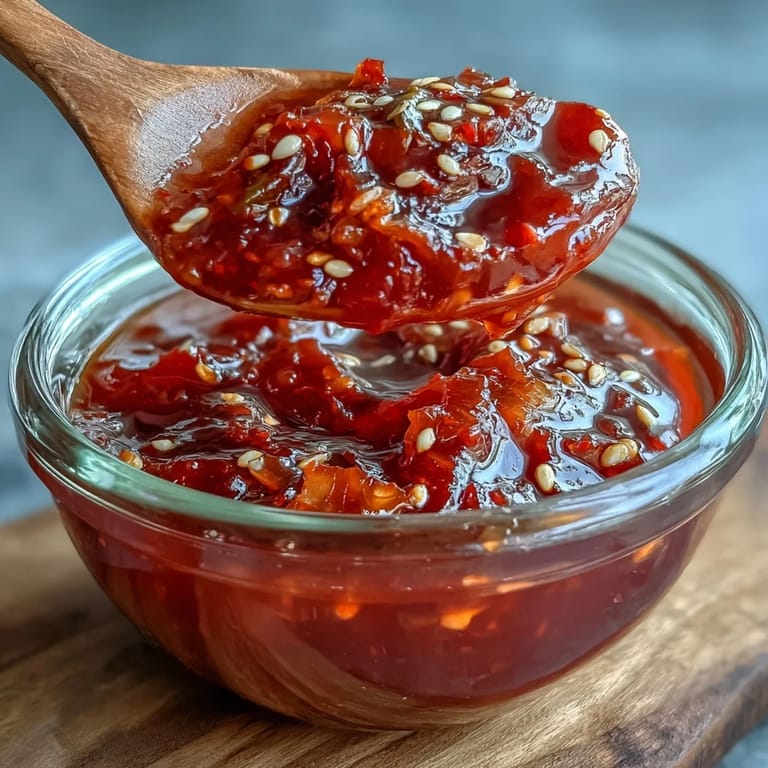
 Save to Pinterest
 The first time I decided to ferment my own hot sauce, it was less about culinary bravado and more out of curiosity after spotting a sunlit jar bubbling away on a friend's kitchen counter. The aroma was unmistakable—tangy, warm, and promising mystery beyond anything store-bought. I couldn't resist peeking in and asking for a taste, which set off a small obsession with recreating that glow at home. With peppers piling up from a late-summer market run, I figured there was no better chance to experiment. That decision opened the door to the world of funky, flavor-packed condiments right from my own countertop.
One rainy Saturday, I made a batch for a taco night with friends, bravely cradling my first bubbling jar like a science experiment. The kitchen was soon filled with nervous laughter and a faint, heady pepper aroma as we debated how spicy the sauce might turn out. That anticipation made the taste test at the table even sweeter, and a few of us ended up dabbing it on everything from chips to roasted sweet potatoes. The sauce became a conversation piece and, honestly, a little source of pride. There’s just something about watching friends swirl bright red sauce onto their plates, knowing exactly what’s in it.
Ingredients
- Fresh chili peppers (red, Fresno, jalapeño, serrano, or a mix): These are the stars—choose your favorites for a custom heat level and keep the stems off to avoid bitterness.
- Red bell pepper: Mellowing the fire, bell pepper adds both sweetness and that beautiful sunset color—remember to remove the seeds for a smooth blend.
- Garlic cloves: Peel for pure, aromatic punch; don’t skip it, as it presses fresh depth into the flavor.
- Shallot or onion: Just half a small one, for that savory undertone—peeling cuts down on sharpness in the final sauce.
- Carrot (optional): Use if you’re craving gentle sweetness and a thicker texture, but slice it thin so it ferments evenly.
- Filtered water: This keeps the brine clean—chlorine can spoil the good bacteria, so trust your filter.
- Non-iodized salt: I learned quickly that sea salt or kosher salt is best for happy bubbles—no additives, ever.
- Apple cider vinegar or distilled white vinegar: The finishing touch for tang. Taste as you go; you might prefer the softness of rice vinegar instead.
Tired of Takeout? 🥡
Get 10 meals you can make faster than delivery arrives. Seriously.
One email. No spam. Unsubscribe anytime.
Instructions
- Mix the brine:
- Dissolve the salt into filtered water, swirling gently until it’s clear and the crystals have disappeared.
- Prep the veggies:
- Chop all the peppers, carrot, garlic, and shallot or onion—your cutting board will smell like summer by the time you’re done.
- Pack the jar:
- Tumble everything into a squeaky clean jar and arrange so it all fits below the shoulders; it doesn’t have to be perfect.
- Submerge and weigh down:
- Pour the brine until the vegetables are covered; use a fermentation weight or a zip-top bag pressed gently on top to keep stray bits underwater.
- Cover and ferment:
- Seal loosely with a lid or airlock so gases escape without letting dust in; tuck the jar into a cool, dark spot and resist poking too often.
- Check daily:
- Peek in once a day to make sure everything stays submerged—if you spot any film or foam, just skim it off and carry on.
- Blend it up:
- After seven days of anticipation, tip the jar’s contents into your blender; splash in the vinegar, and blitz to a fire-red sauce.
- Strain (optional):
- Strain through a fine-mesh sieve for an ultra-smooth finish, or leave it rustic if you love a little texture.
- Bottle and store:
- Pour into a sterilized bottle or jar, tuck it in the fridge, and get ready to taste how the flavor evolves with every week.
 Save to Pinterest
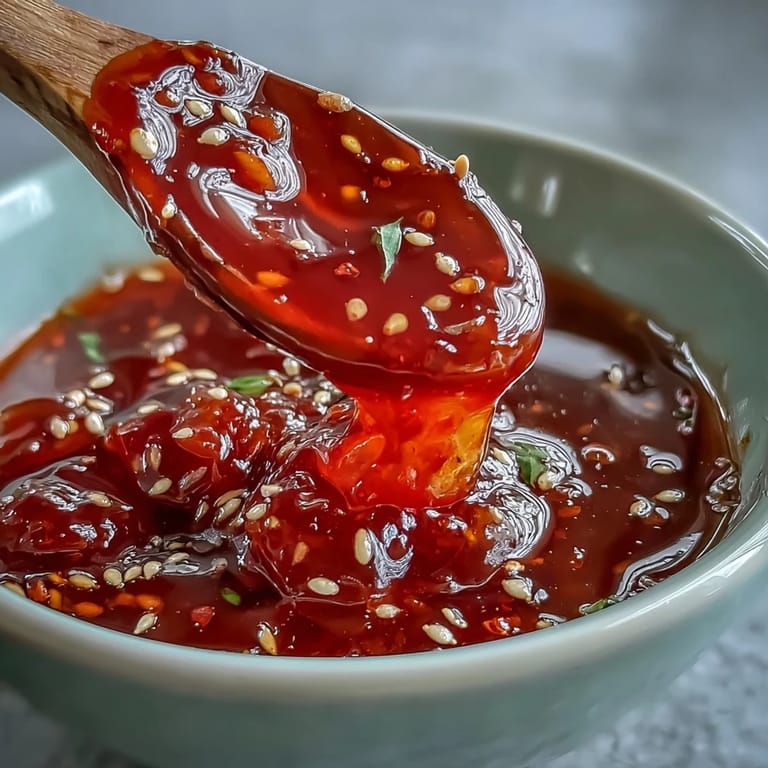
 I’ll never forget the time I carried a bottle of this sauce as a housewarming gift, only to realize a little fizz had built up—pop went the cap, and everyone turned to me mid-sentence. It was a fizzy, spicy ice-breaker that got guests crowding the kitchen for a taste, laughing at my overzealous shaking and asking for jars to take home.
Customizing Your Heat Level
One thing I’ve learned: no two batches are ever identical, and that’s half the fun. Start mild by choosing mostly bell pepper and just one hot chili, or go bold by tossing in a habanero or two. Sniff the chopped peppers before fermenting—if you’re already tearing up, you’re in for a wild batch. As the sauce sits longer in the fridge, it tends to mellow, so trust your instincts and taste often. Once you find your sweet spot for heat, jot a note for next time because it’s easy to get brave and go overboard.
Getting That Tang Just Right
Fermentation isn’t just about the heat: the tanginess is its own reward. I learned early on that vinegar choice could make or break a batch—apple cider vinegar brings fruitiness, while distilled keeps it clean and sharp. Sometimes I add a tablespoon at a time, tasting as I go so it never overwhelms the subtle funk. If acidity ever feels too punchy, a pinch of sugar will round it out. The real trick is patience; those flavors keep getting deeper in the fridge.
When and How to Use Your Homemade Hot Sauce
This sauce shines in unexpected moments—drizzle it on avocado toast for lunch, swirl it into hummus, or shake a few drops onto a steaming bowl of ramen. I love swirling a spoonful into scrambled eggs first thing in the morning—the aroma chases away any grogginess right away. It’s also a secret weapon in marinades or mixed into mayo for a spicy dip.
- Give the bottle a gentle shake before using as separation is natural.
- Start with a small drizzle and add more—homemade sauce tends to be bolder than store favorites.
- Avoid storing near heat—cool fridge time keeps the flavors lively for months.
 Save to Pinterest
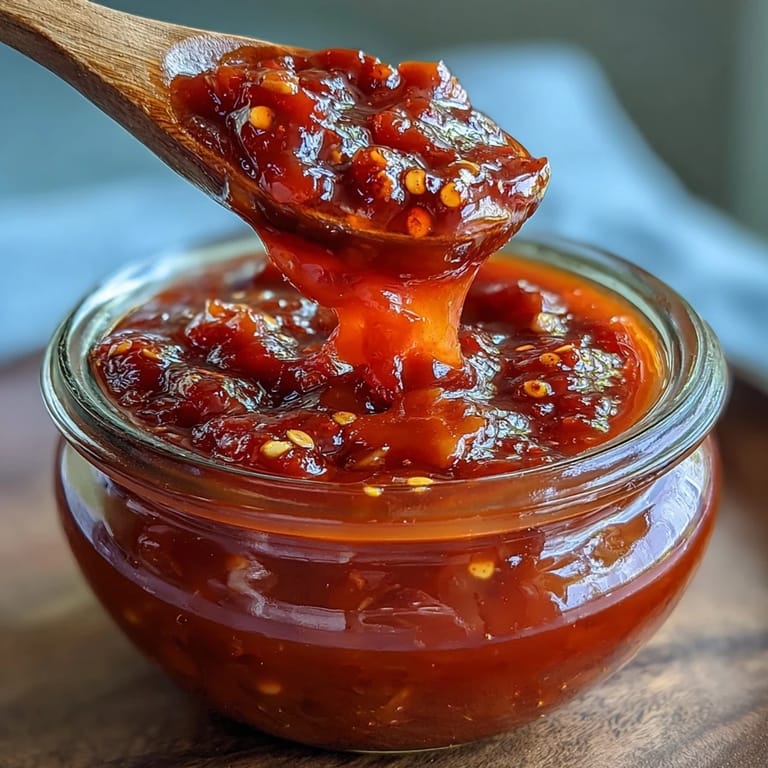
 There’s something deeply satisfying about each fiery, tangy spoonful, especially knowing exactly how you cultivated those flavors. May your kitchen soon be filled with the kind of aroma that sparks curiosity and conversation.
Recipe FAQs
- → How long should the mixture ferment?
Ferment at a cool room temperature (65–72°F) for 7 days. Taste after a week and extend fermentation a few days if you prefer a tangier, more pronounced lactic acidity.
- → What is the correct salt-to-water ratio?
Use about 15 g of non-iodized salt dissolved in 500 ml of filtered water for the brine. This level supports lacto-fermentation while keeping the vegetables crisp and safe.
- → How can I control the heat level?
Adjust the pepper mix: include milder peppers like bell or Fresno for lower heat, or add hotter varieties (habanero, Thai) sparingly. Removing seeds and membranes reduces heat, while leaving them increases it.
- → How do I prevent mold during fermentation?
Keep all solids fully submerged under the brine using a fermentation weight or a sealed bag of brine. Check daily, skim any surface scum, and discard if fuzzy or colored mold appears. Clean tools and jars thoroughly before use.
- → Can I vary the flavor with spices?
Yes. Add whole spices like coriander seeds, black peppercorns, or a bay leaf to the jar or brine for aromatic depth. Start with small amounts and taste after fermentation to balance flavors.
- → How should I store the finished sauce?
After blending and optionally straining, bottle the sauce in a sterilized jar and keep it refrigerated. It will stay good for about 3 months and will continue to develop flavor over time.