 Save to Pinterest
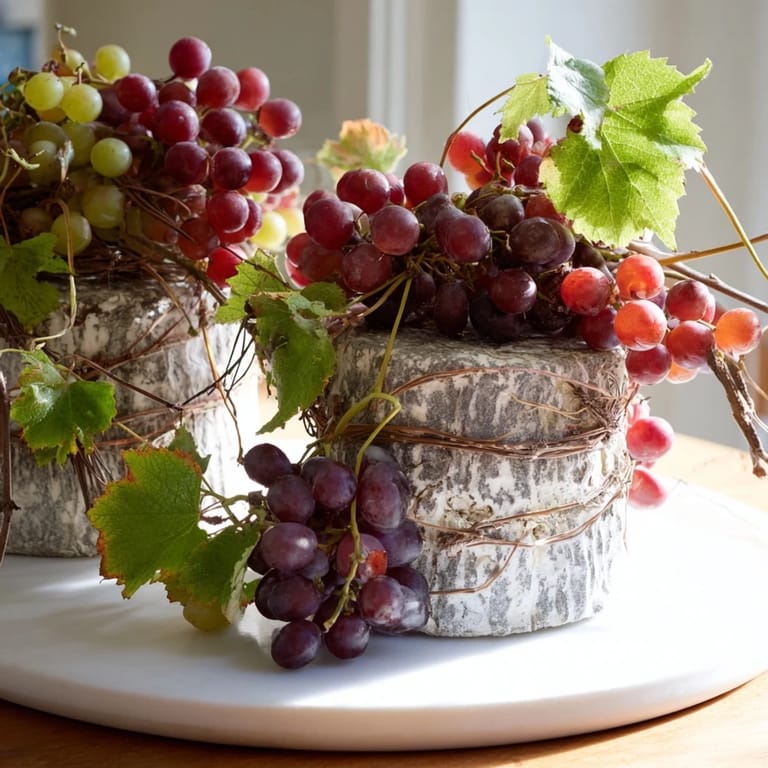
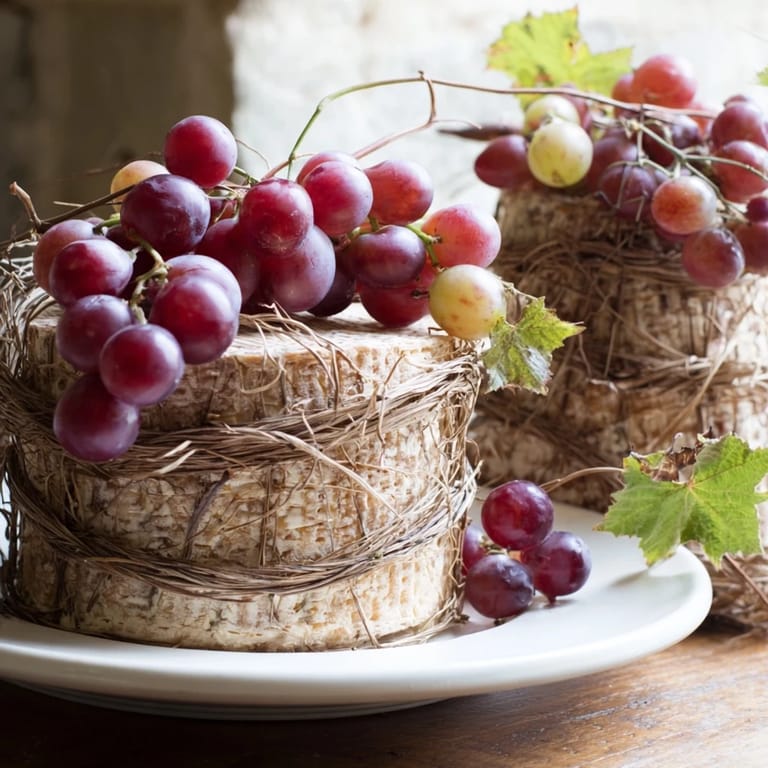
 There's a particular magic to stumbling upon a cheese board that looks like it belongs in a vineyard itself. I was wandering through a small market in Burgundy when I spotted a vendor arranging fresh cheese wheels with actual grapevine branches draped across them, leaves catching the afternoon light. The simplicity of it stopped me cold—just cheese, vines, grapes, bread. But the effect was breathtaking, like edible landscape design.
I made this for the first time during a late-summer dinner party when someone arrived with a box of untreated grapevines from their family's small vineyard. I had the cheese already on the board, and arranging those vines was like solving a puzzle with natural beauty—sudden, spontaneous, and somehow exactly right. Everyone asked how long it took to arrange, and I loved telling them: barely any time at all.
Ingredients
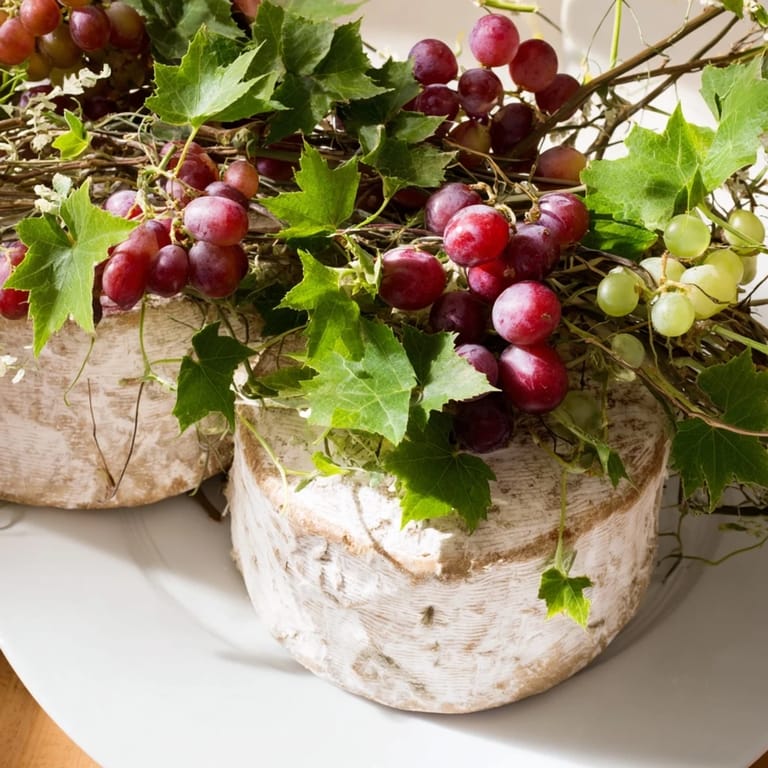
- Young, rustic cheese wheels (2 large, about 1.5 kg each): Tomme, young pecorino, or farmhouse varieties work beautifully because they have character and visible texture that pairs with earthy vines. The unfinished quality means the surface still looks handmade.
- Fresh grapevine branches (3–4 long, untreated): These are the soul of the presentation—make absolutely sure they're organic and pesticide-free, or they'll be genuinely unsafe to have touching food. Washed and dried, they drape like natural sculpture.
- Fresh grapes (500 g, mixed or single color): Keep them on the stem when possible; clusters catch light better and feel more vineyard-authentic than loose berries.
- Baguette or rustic country bread: Slice it while it's still slightly warm if you can, so guests get that perfect crust-to-crumb contrast.
- Assorted nuts and dried fruits (optional but recommended): Walnuts and almonds add crunch that complements the soft cheese, while figs and apricots echo the sweetness of the grapes.
Tired of Takeout? 🥡
Get 10 meals you can make faster than delivery arrives. Seriously.
One email. No spam. Unsubscribe anytime.
Instructions
- Prepare your foundation:
- Start with a large wooden board or platter—something that feels substantial because it's going to hold the weight of the vines and cheese. Make sure the cheese wheels are positioned toward the center with enough room around them for draping.
- Drape the vines:
- This is where the magic happens. Lay the grapevine branches over and around the cheese wheels, letting them fall naturally with leaves and stems creating that lush, vineyard-fresh look. Don't overthink it; asymmetry is your friend here.
- Nestle the grapes:
- Tuck clusters of fresh grapes into the spaces between vines and cheese, letting some spill across the board. They should look like they belong there, not arranged too deliberately.
- Fill the edges:
- Arrange bread slices, nuts, and dried fruits in small, natural-looking piles around the vines and cheese. This isn't a symmetrical plating exercise; it's meant to feel abundant and approachable.
- Serve and enjoy:
- Set it out at room temperature. Let guests cut their own slices of cheese and build bites with grapes, bread, and accompaniments. This is food meant for gathering, talking, and lingering over.
 Save to Pinterest
 The first time I served this, a guest who grew up in wine country teared up a little, talking about her grandmother's vineyard. Food doesn't often do that—doesn't transport people so completely. This board did.
Sourcing Your Ingredients
The grapevine branches are the non-negotiable piece. Check farmers' markets in late summer and early fall when vineyards are pruning, or ask directly at local farms if they have untreated vines they're willing to sell. The cheese should be something with character—young wheels that still look slightly handmade rather than polished commercial productions. A good cheesemonger will point you toward options that photograph well and taste interesting.
Why This Works as a Shared Dish
There's something about eating from a shared board that changes the dynamic of a meal. It slows things down, creates conversation, makes people linger longer. This particular presentation does that partly because of how it looks, but also because it invites people to explore—to try different combinations, to notice the details of the cheese, to comment on the vines. It's not a plated course or a solitary snack; it's an experience.
Pairing and Final Touches
The board itself calls for simple, light beverages—crisp white wines sing beside the cheese, and light reds work too. If you want to add one extra element, a small drizzle of local honey or good olive oil across part of the cheese wheel is never wrong, but honestly it doesn't need it. Sometimes the purity of cheese, vines, and grapes is exactly enough.
- Pair with crisp whites or light reds that won't compete with the subtle flavors of the cheese.
- Drizzle honey or olive oil across the cheese only if you want to elevate it further—the board speaks for itself.
- Serve everything at room temperature so the cheese tastes of itself, not of cold.
 Save to Pinterest
 This dish taught me that the most impressive food is sometimes the simplest—just high-quality ingredients arranged with intention. It's become one of my go-to moves for making any gathering feel effortless and special.
Recipe FAQs
- → What type of cheese works best for this dish?
Young, rustic cheeses like tomme or young pecorino offer the ideal texture and flavor. These cheeses are unfinished and maintain a fresh, artisanal quality.
- → How should the grapevines be prepared?
Use long, untreated grapevine branches with leaves and stems, washed and dried carefully to retain freshness and natural appearance.
- → Can I substitute grapevines if unavailable?
If fresh grapevines are not accessible, grape leaves provide a suitable alternative that maintains the dish's vineyard-inspired look.
- → Are there recommended accompaniments to serve alongside?
Rustic country bread, assorted nuts, and dried fruits complement the cheese and grapes well, adding texture and depth to the presentation.
- → Is any cooking involved in preparation?
No cooking is required; this is a fresh assembly designed to highlight natural ingredients at room temperature.
- → What beverages pair nicely with this dish?
Crisp white wines or light reds complement the flavors beautifully, enhancing the vineyard-inspired experience.