 Save to Pinterest
 The first time I tried making hot cross buns, a burst of clove scent mingled with golden daylight streaming across the kitchen counter, instantly making an ordinary afternoon feel like a lowkey celebration. Somewhere between the childish thrill of sticky dough on my fingers and the way the aroma crept through the apartment, I wondered why I ever waited for Easter to enjoy these. Small mishaps (like raisins tumbling across the floor or a slightly lopsided cross) only made the process feel more human—and the end result more satisfying. I still laugh remembering the timer scaring the cat right as I brushed the buns with glossy apricot jam. There’s a subtle magic in baking bread: it reassures, even on grey days.
Last spring, I baked a batch of these for a sleepy Saturday brunch with friends. The buns disappeared so quickly that someone joked I must have hidden half the tray; the true secret was the kitchen chatter while shaping the dough—each bun seemed to puff up just a little more when made with laughter nearby.
Ingredients
- Bread flour: The extra gluten helps achieve the soft, pillowy texture that sets these buns apart; I always sift it to avoid lumps.
- Granulated sugar: Just enough sweetness to balance the spice, and I recommend whisking it in really well so the yeast activates evenly.
- Active dry yeast: Be sure it’s fresh—if it foams in the milk, you’re golden.
- Salt: A pinch makes the flavors stand out, and skipping it leads to bland buns (I learned this the hard way!).
- Ground cinnamon, nutmeg & allspice: These spices bloom best when mixed thoroughly into the flour—be generous, especially if you love warming aromas.
- Whole milk: Lukewarm is best; too hot, and it can kill the yeast, but cool milk leaves you waiting forever for a rise.
- Unsalted butter: Melt just before adding for an extra tender crumb; room temperature makes blending easier, too.
- Eggs (room temperature): They give the dough richness; if you forget to take them out early, I put them in a cup of warm water for a few minutes.
- Raisins or currants: Extra plump when soaked gently in warm water first; don’t be afraid to swap in dried cranberries for a tangy twist.
- Orange zest (optional): It’s not traditional in every family, but I found the bright citrus lifts the spices unexpectedly.
- All-purpose flour (for the cross): Whisked with water to a pipeable paste; I always test the consistency by trailing a line on parchment first.
- Water (for the cross and glaze): Used to thin out both the cross mixture and the glaze as needed—just a splash at a time.
- Apricot jam or honey (for glaze): Warmed with water for a sheen; I never skip this step, as even a simple honey glaze makes the buns sparkle.
Tired of Takeout? 🥡
Get 10 meals you can make faster than delivery arrives. Seriously.
One email. No spam. Unsubscribe anytime.
Instructions
- Mix the dry ingredients:
- Combine flour, sugar, yeast, salt, cinnamon, nutmeg, and allspice in a large mixing bowl. The scent is inviting, so pause to appreciate how the spices mingle.
- Add wet ingredients:
- Pour in the lukewarm milk, melted butter, and eggs. Stir with a sturdy spoon or your hands; the dough should be sticky and shaggy at first, don’t worry.
- Knead the dough:
- Turn out onto a floured counter or use your mixer and knead for 8–10 minutes until smooth and elastic. Your hands (or hook) will feel the difference as gluten develops—the dough should spring back when pressed.
- Incorporate raisins and zest:
- Knead in the raisins and orange zest, being gentle so you don’t crush the fruit or overwork the dough. You’ll feel little pockets of juiciness scatter throughout.
- First rise:
- Shape the dough into a ball and place it in a greased bowl. Cover and set somewhere warm for about an hour—watch as it doubles and gets pillowy.
- Shape the buns:
- Punch down the dough gently to release air, then divide into 12 even pieces. Roll each into a smooth ball and line them on a parchment-lined tray with a finger’s width between each.
- Second rise:
- Cover again and let rise about 45 minutes, until the buns look puffy and are just touching.
- Prepare the oven:
- Preheat to 375°F (190°C) while your buns finish rising, so you’re ready to go right away.
- Pipe the cross:
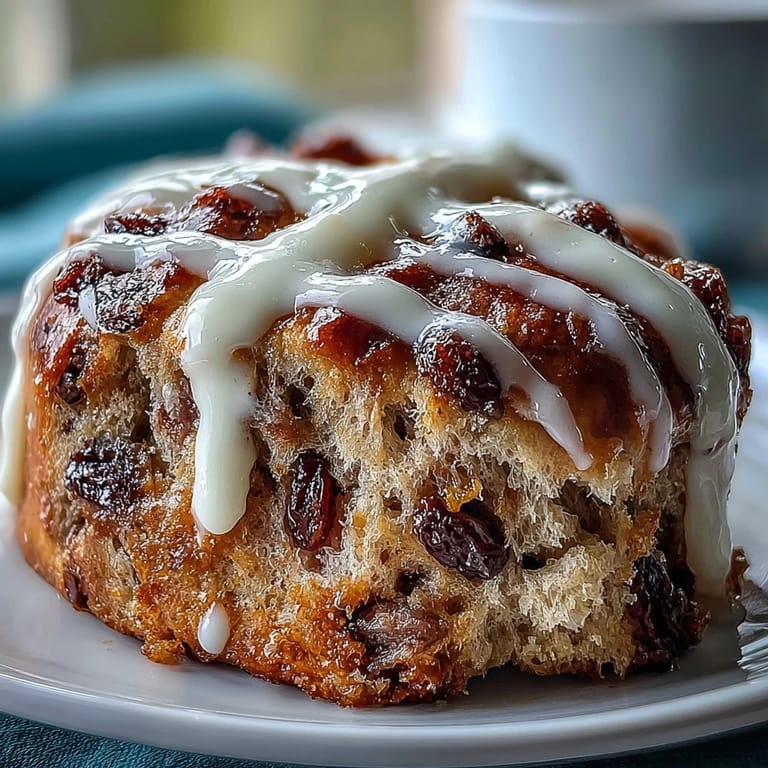
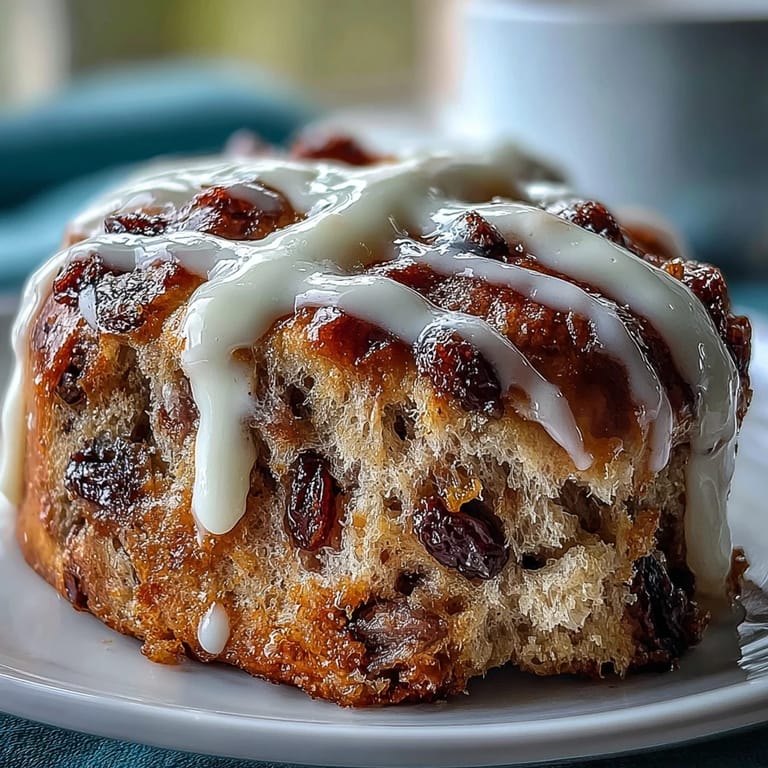
- Mix flour and water to a pipeable paste—aim for toothpaste thickness. Use a piping or zip-top bag to trace crosses over each bun; neatness is optional, charm is mandatory.
- Bake the buns:
- Slide the tray in and bake for 20–25 minutes, until golden brown and fragrant. The tops should sound hollow when tapped.
- Make the glaze:
- While the buns bake, gently warm jam (or honey) with water, stirring until smooth and runny.
- Glaze and cool:
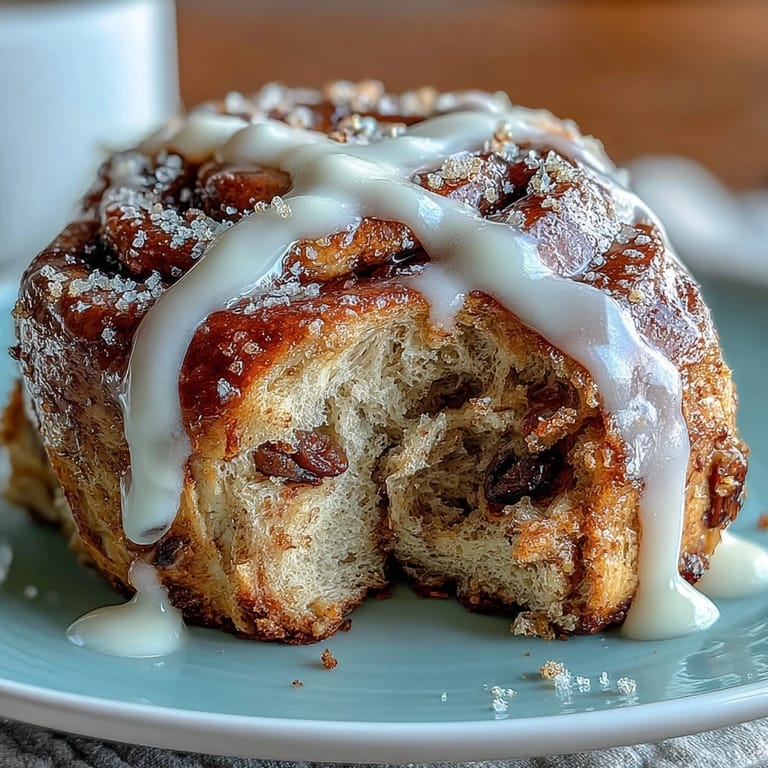
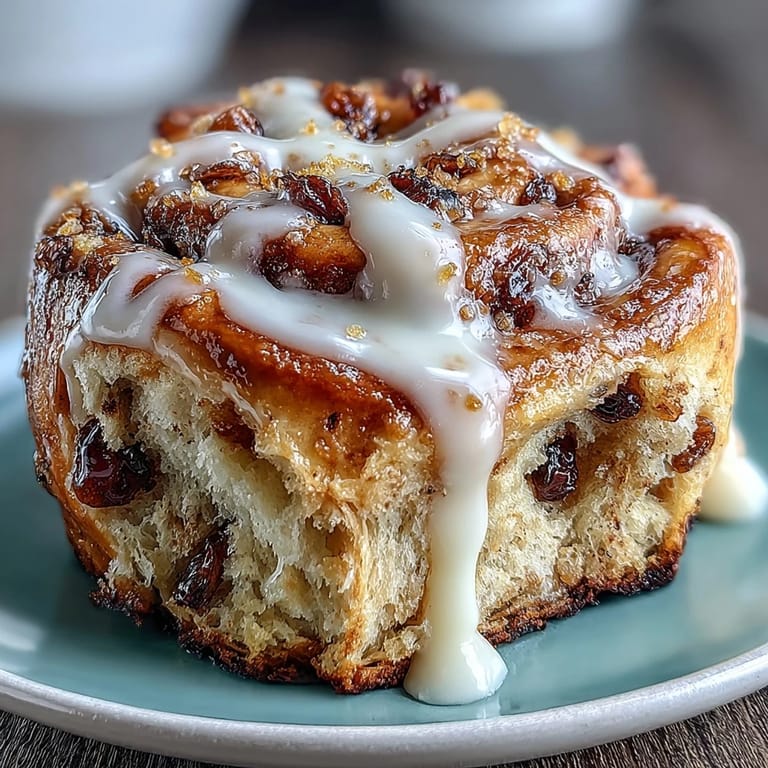
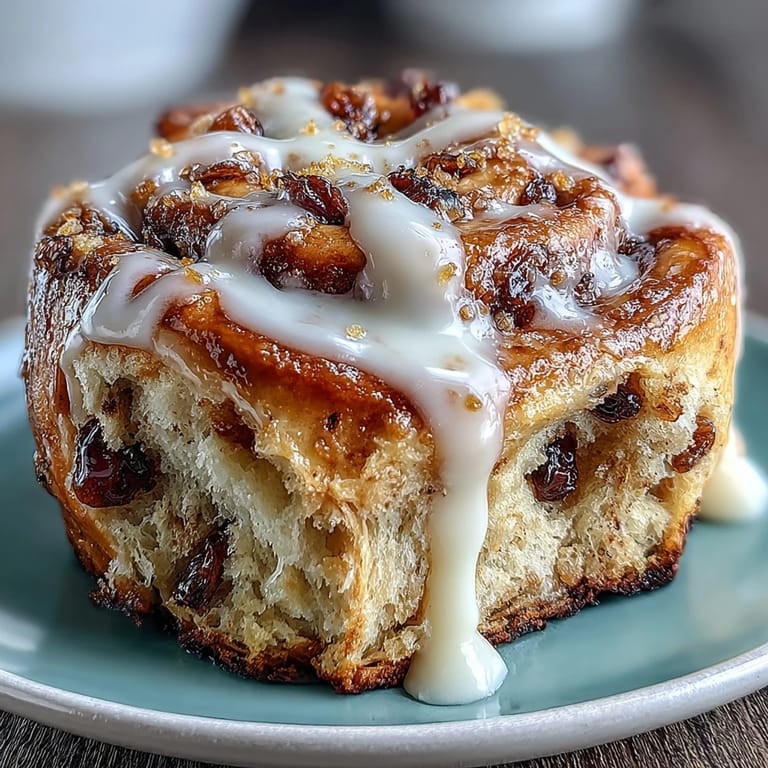
- Brush the hot buns generously with the glaze as soon as they come out—they’ll shimmer and smell incredible. Let them cool slightly before tearing in.
 Save to Pinterest
  Save to Pinterest
 Sharing these buns fresh from the oven one rainy April morning turned a quiet breakfast into a memorable ritual—a friend still texts about ‘the year of the sticky buns’ whenever Easter comes near. Sometimes, it’s the mid-bite smiles and sticky fingers that make a simple recipe feel like a little celebration in itself.
On Choosing Spices and Add-ins
Every batch is a little different depending on the mix of spices and fruits you use; I’ve experimented with everything from chopped candied ginger to dried cranberries. Bold spices can be comforting in colder months, while a touch of citrus always perks up the dough as spring arrives.
How to Store and Reheat Leftovers
If (and that’s a big if) you have leftover buns, I wrap them in a kitchen towel and store them in an airtight container. They reheat beautifully in a warm oven or toaster—sometimes I split and butter them for an indulgent second breakfast.
Making This Recipe with Kids (or Distractions)
Little hands are great at rolling dough balls and piping delightfully wobbly crosses—just set out an old tea towel for the stray flour. Laugh off any uneven buns; their homemade look is their badge of honor.
- If your dough seems stubbornly sticky, add a little flour at a time until it just comes together.
- The glaze sets quickly, so keep your brush ready as soon as the buns emerge hot from the oven.
- Sneak one while still a bit warm for the best gooey texture.
 Save to Pinterest
  Save to Pinterest
 However you enjoy them—torn apart with coffee or shared at a crowded table—these hot cross buns always have a way of bringing people closer, one gooey bite at a time.
Recipe FAQs
- → How long should the dough rise?
Allow the dough to rise until doubled in volume—about 1 hour in a warm spot for the first proof, then 45 minutes after shaping. Warmer kitchens shorten rising time; colder ones take longer.
- → Can I swap raisins for other dried fruit?
Yes. Currants, chopped dried apricots or dried cranberries work well. For balanced moisture, chop larger fruits and toss them in a little flour before folding into the dough.
- → What gives the best cross finish?
Use a thick, pipeable paste of flour and water for clean lines. Pipe the cross just before baking so it holds shape; if paste is too thin, add a little more flour to firm it up.
- → How do I keep the buns soft the next day?
Store cooled buns in an airtight container at room temperature. Rewarm briefly in a low oven or microwave with a damp paper towel to restore softness. Freezing is ideal for longer storage.
- → Can I use instant yeast instead of active dry yeast?
Yes. If using instant yeast, mix it directly with dry ingredients and reduce the initial proof time slightly. Keep an eye on the dough rather than the clock to judge readiness.
- → Any tips for glazing and shine?
Heat apricot jam or honey with a little water until smooth and strain if needed, then brush warm buns immediately after baking for a glossy finish that also adds flavor.