 Save to Pinterest
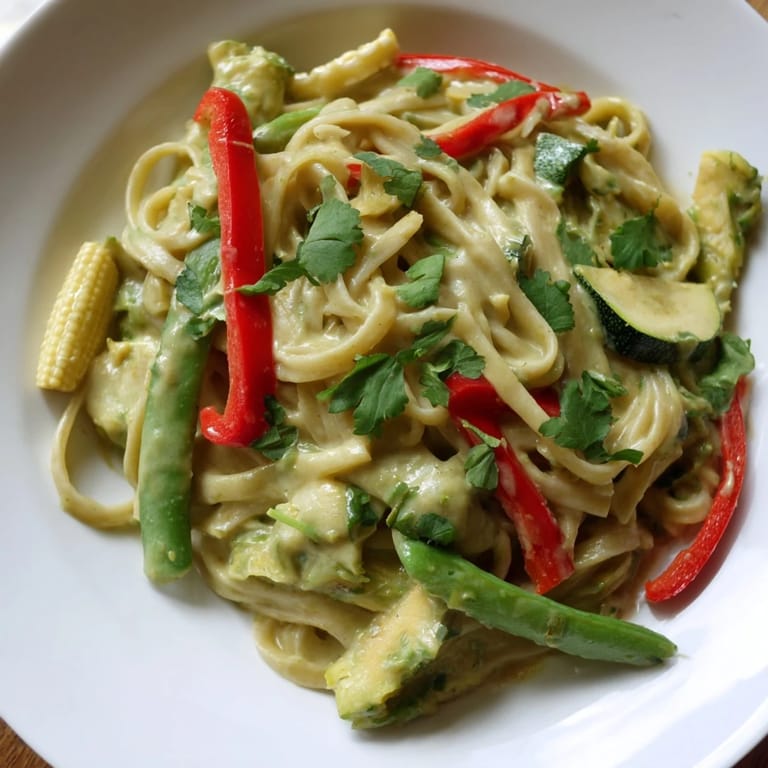
 I discovered this dish on a rainy Wednesday when I had linguine in the pantry and a can of coconut milk calling from the back of the cabinet. My Thai takeout craving hit hard, but the thought of spending money stopped me cold. So I grabbed the green curry paste I'd been meaning to use and started improvising—what emerged was this vibrant, creamy fusion that tasted like someone who actually knew what they were doing had made it. The aroma alone filled my entire apartment, and within 40 minutes, I had something that felt completely intentional, though it was born entirely by accident.
I made this for my roommate Marcus on a night he came home exhausted from work, and watching his face light up when he tasted it made me realize I'd stumbled onto something special. He asked for seconds before finishing his first bowl, and by the end of the week, he'd texted me the recipe asking if I could teach him. That moment taught me that the best recipes aren't the ones that impress—they're the ones that make people feel seen and cared for.
Ingredients
- Linguine or spaghetti (350g): Long pasta catches the sauce beautifully and looks elegant on the plate; I've learned that thinner shapes absorb the curry flavor better than thick ribbons.
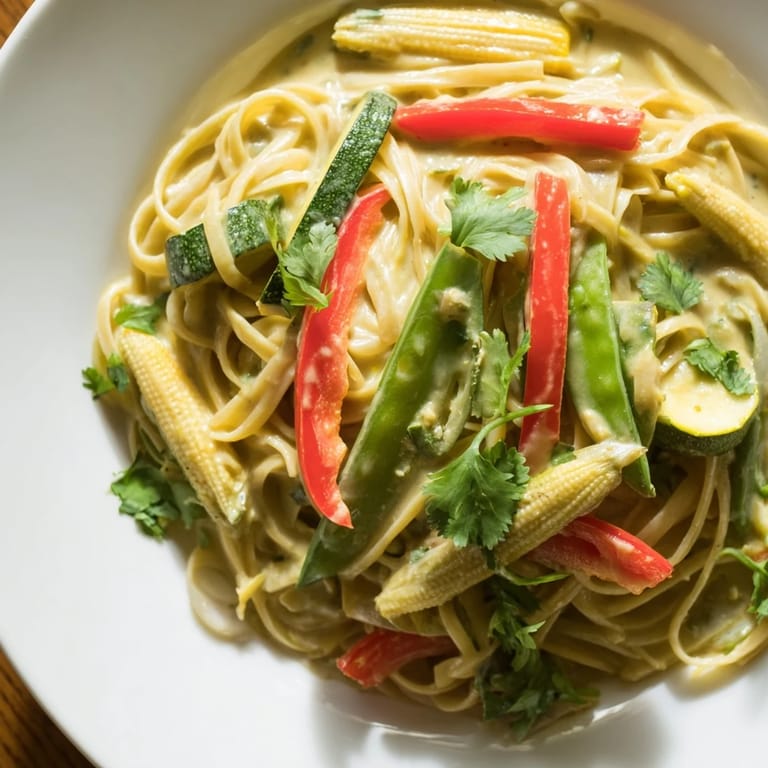
- Red bell pepper: The slight sweetness balances the curry's heat, and thinly slicing it means it stays crisp rather than turning mushy.
- Zucchini: This keeps things light and lets the curry shine without overwhelming the palate.
- Snap peas and baby corn: These stay tender-crisp if you don't overcook them, adding texture that makes each bite interesting.
- Fresh spring onions: Added at the end, they bring a sharp freshness that cuts through the richness like a final note of brightness.
- Thai green curry paste (3 tbsp): This is where the soul lives—the paste carries all the aromatics and heat, so buy a quality one and taste as you go because some brands run spicier than others.
- Coconut milk (400ml full fat): The full-fat version is non-negotiable here; it creates that silky sauce that coats every strand.
- Vegetable oil: Just enough to bloom the curry paste and release its fragrance before the coconut milk goes in.
- Soy sauce, brown sugar, fresh ginger, and lime juice: These four ingredients balance sweetness, salt, warmth, and acid—the formula that makes Thai food taste like Thai food.
- Fresh cilantro: Stirred in at the end, it tastes like green and brings the whole dish together with one herb.
Tired of Takeout? 🥡
Get 10 meals you can make faster than delivery arrives. Seriously.
One email. No spam. Unsubscribe anytime.
Instructions
- Boil the pasta:
- Fill a large pot with water, add a generous pinch of salt, and bring it to a rolling boil. The water should taste like the sea. Cook the pasta until it's just tender enough to bite through with a little resistance—this is where al dente matters, because the pasta will keep cooking slightly when it hits the hot sauce.
- Build the curry base:
- While the pasta cooks, warm the oil in a wide skillet or wok over medium heat. Add the curry paste and ginger, letting them sizzle and perfume the oil for a minute or two—this step coaxes out the deeper flavors that would otherwise stay locked inside the paste.
- Create the sauce:
- Pour in the coconut milk slowly, stirring so it blends smoothly with the paste rather than clumping. Add soy sauce and brown sugar, then let it all bubble gently for a few minutes while you stir occasionally, tasting to understand how the flavors are developing.
- Cook the vegetables:
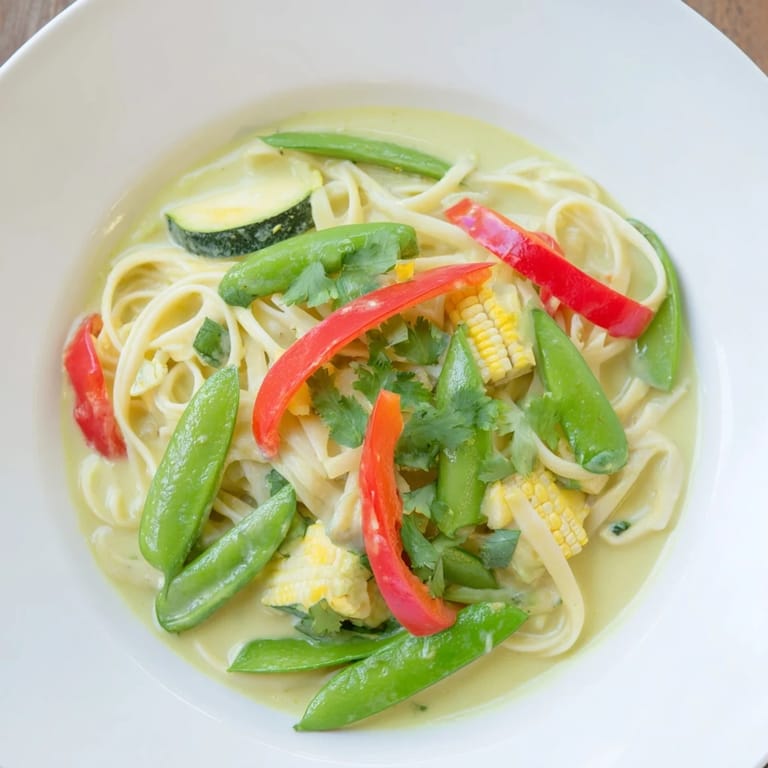
- Slice the bell pepper, zucchini, snap peas, and baby corn so they're all roughly the same size—this way they cook evenly and stay crisp. Add them to the sauce and let them cook until you can pierce them easily with a fork but they still have a little snap when you bite.
- Unite pasta and sauce:
- Drain the pasta (saving that starchy water first—it's liquid gold for loosening the sauce), then tumble it into the skillet along with a splash of that reserved water. Toss everything together for a few minutes so the pasta soaks up the flavor rather than sitting on top of it.
- Finish with brightness:
- Stir in the spring onions, fresh cilantro, and lime juice. Taste the whole thing and adjust—if it needs more spice, add curry paste; if it's too hot, stir in a splash more coconut milk; if it tastes flat, hit it with more lime juice.
 Save to Pinterest
 I remember standing at the stove late one evening, stirring this together for myself after a long day, and the moment the cilantro hit the pan, the kitchen smelled like a place where good things were about to happen. That's when I understood that cooking this dish—for myself or someone else—isn't just about feeding hunger; it's about creating a small moment of comfort in a day that needed it.
Why This Fusion Works
Thai and Italian cuisines might seem worlds apart, but they share a philosophy: let good ingredients shine, layer flavors intentionally, and don't be afraid of bold tastes. Pasta provides a neutral canvas for the curry's aromatics, while the vegetables add the kind of textural variety that keeps you engaged in every bite. The coconut milk brings richness without heaviness, and the acid from lime juice prevents the whole dish from feeling flat or one-dimensional. I've served this to people who swear they're purists about Thai or Italian food separately, and they've universally loved what happens when you marry the two.
Variations and Swaps
Once you understand the basic formula, this dish becomes a playground for improvisation. Swap the vegetables based on what's fresh—broccoli adds earthiness, carrots bring sweetness, green beans stay firm and satisfying. I've made it with crispy tofu chunks for substance without meat, and once with shrimp that turned golden and tender in the sauce. The coconut milk can be thinned with a splash of stock if you want something less rich, and you can experiment with red or yellow curry paste if you want different flavor notes—each one brings its own personality.
Serving and Pairing
Serve this straight from the skillet while it's still steaming, maybe with lime wedges on the side and a scatter of cilantro on top that catches the light. If you want to get fancy, a handful of roasted cashews adds crunch and elegance without changing the flavor profile. A crisp white wine like Riesling or even a cold Thai iced tea pairs beautifully—the sweetness and acidity in the drink echo what's already happening on the plate. This feeds four people generously as a main course, or six if you're serving it alongside rice or crusty bread.
- Roasted cashews or peanuts add texture and make the dish feel complete rather than just creamy and soft.
- A squeeze of fresh lime over the top right before eating brightens everything and prevents the sauce from tasting one-dimensional.
- Don't be shy with the cilantro—it's not garnish here, it's essential, and a handful scattered on top changes how the dish tastes and smells.
 Save to Pinterest
 This dish has become my go-to when I want something that tastes like I spent hours cooking but only invested 40 minutes. More importantly, it's taught me that fusion cooking isn't about confusion or gimmicks—it's about respecting two traditions and finding where they genuinely enhance each other.
Recipe FAQs
- → What pasta works best with Thai green curry sauce?
Linguine or spaghetti are excellent choices as they hold the sauce well and complement the dish's texture.
- → Can I adjust the spice level in this dish?
Yes, simply modify the amount of green curry paste or add sliced chili to increase the heat to your preference.
- → How do I keep the vegetables crisp when cooking?
Cook the vegetables just until tender-crisp, approximately 5–6 minutes, ensuring they retain a pleasant crunch.
- → Is it possible to make this dish vegan?
Absolutely, just verify the green curry paste contains no shrimp or fish ingredients and use plant-based alternatives as needed.
- → What garnishes enhance this dish?
Fresh cilantro, lime wedges, sliced red chili, and roasted cashews or peanuts add brightness and texture.
- → How can I add protein to this meal?
You can include cooked chicken, shrimp, or tofu to boost protein content while keeping the flavors balanced.