 Save to Pinterest
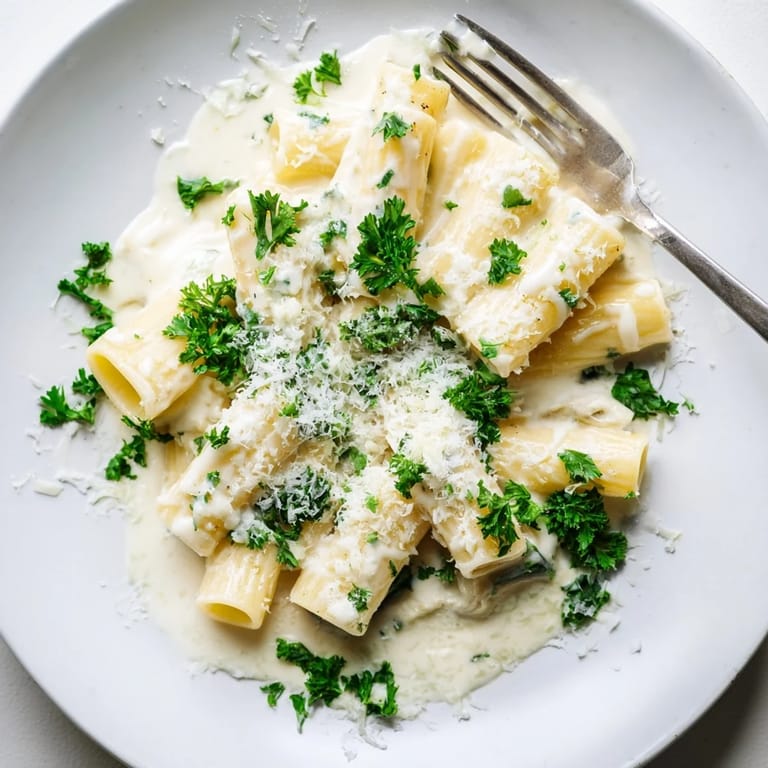
 One rainy Thursday evening when the fridge was nearly empty, I discovered the magic of milk pasta almost by accident. The gentle bubbling of milk around pasta shapes, slowly transforming into something so beautifully creamy that it seemed impossible it came from such simple ingredients. The kitchen filled with the subtle aroma of garlic and nutmeg as the pasta softened and the sauce thickened right before my eyes. It felt like culinary alchemy.
Last winter, my neighbor dropped by unexpectedly during a snowstorm, and I had this bubbling away on the stove. The look on her face as she took her first bite told me everything - that perfect moment when someone tastes something so comforting yet so surprisingly simple. She sat there warming her hands around the bowl, watching the steam rise, and we talked for hours while the snow fell outside. Now she requests it whenever she visits.
Ingredients
- Short pasta: The hollow shapes like penne or rigatoni work wonderfully here as they trap little pockets of the creamy sauce inside each piece.
- Whole milk: I tried making this with lower-fat milk once and learned my lesson - the richness of whole milk creates that luxurious mouthfeel that makes this dish special.
- Butter: This adds a gentle richness that blooms beautifully when it meets the garlic at the beginning.
- Parmesan cheese: Freshly grated makes all the difference, melting seamlessly into the sauce rather than clumping like pre-grated versions often do.
- Nutmeg: Just a tiny pinch transforms the flavor profile, adding a warmth that feels like someone wrapped the dish in a cashmere blanket.
Tired of Takeout? 🥡
Get 10 meals you can make faster than delivery arrives. Seriously.
One email. No spam. Unsubscribe anytime.
Instructions
- Awaken the aromatics:
- Melt that butter slowly over medium heat until it shimmers, then add your minced garlic and let it dance around for about a minute until the kitchen fills with its fragrance.
- Create your milk bath:
- Pour in the milk with a gentle hand, watching it warm through but never letting it reach a rolling boil. The surface should just barely tremble with tiny bubbles at the edges.
- Pasta plunge:
- Add your pasta along with salt, pepper, and that magical pinch of nutmeg. Give everything a good stir to make sure no pasta pieces are sticking together in clumps.
- The patience phase:
- This is where the transformation happens as you stir occasionally, watching the milk gradually reduce and thicken around the pasta. You might notice the sauce coating the back of your spoon more with each passing minute.
- Cheese integration:
- Once the pasta is tender but still has a slight bite, stir in the Parmesan in batches, allowing each addition to melt completely before adding more. The sauce will turn gloriously silky before your eyes.
- Final flourish:
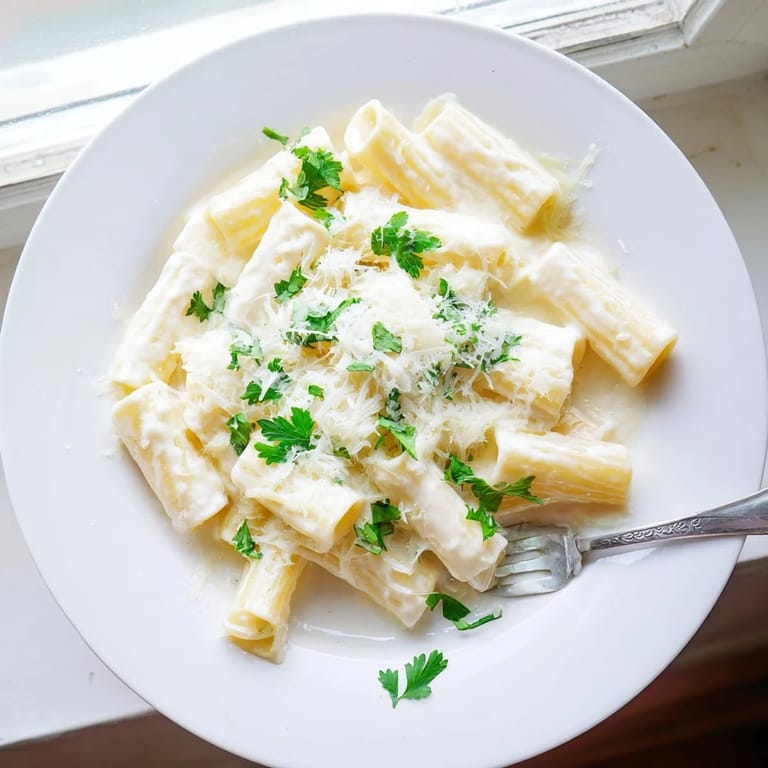
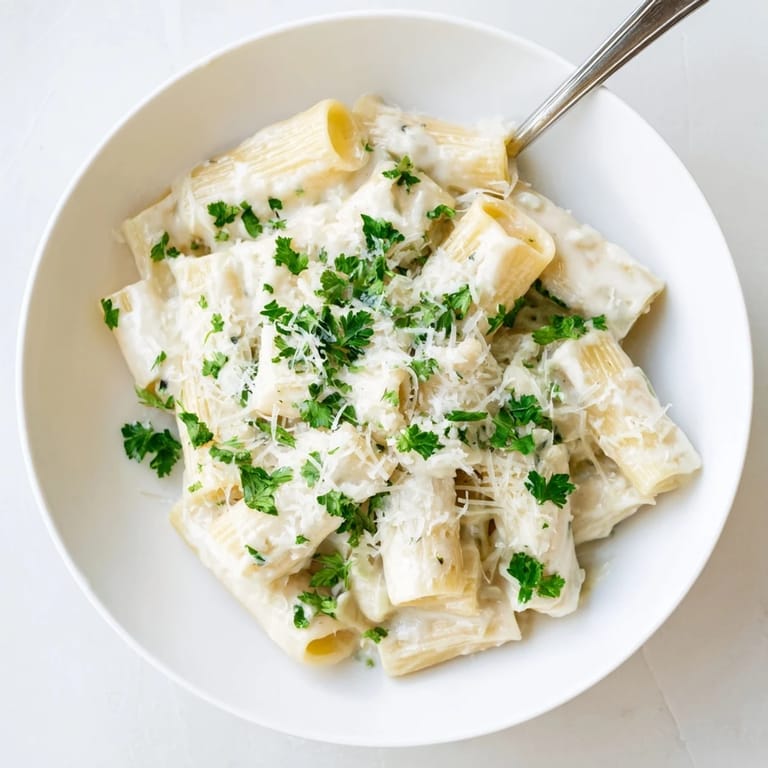
- Remove from heat, give it one final stir, and serve immediately while the sauce is at its most luxurious texture. A scatter of fresh parsley brightens both the flavor and appearance.
 Save to Pinterest
 My teenage son, normally skeptical of anything without meat, walked into the kitchen last month asking what that amazing smell was. He ended up eating two full servings, then asking if I could teach him to make it himself. We spent the next weekend cooking it together, his hand nervously stirring as I guided him through each step. That evening marked the beginning of his interest in cooking, all from this humble pot of milk pasta.
Making It Your Own
Some nights when Im feeling particularly indulgent, I fold in a spoonful of mascarpone at the very end, watching it melt into ribbons of extra creaminess. Other times, the contents of my vegetable drawer dictate the direction - handfuls of spinach wilting into the hot pasta, or sautéed mushrooms adding their earthy depth. The base recipe remains incredibly versatile, adapting to whatever ingredients you have on hand or whatever mood strikes.
The Science Behind the Magic
What fascinates me about this cooking method is how the starch from the pasta gradually releases into the milk, naturally thickening it into a sauce without the need for a separate roux or thickener. Its the same principle behind risotto, but somehow even more forgiving. The proteins in the milk also contribute to that silky mouthfeel, wrapping around each pasta piece as it cooks.
Serving Suggestions
While perfect on its own, this creamy milk pasta creates a beautiful canvas for seasonal additions that make it feel fresh throughout the year. During spring, I scatter fresh peas and mint across the top, summer brings cherry tomatoes and basil, fall welcomes roasted squash, and winter calls for crispy pancetta and a drizzle of good olive oil.
- Serve alongside a simple arugula salad dressed with lemon and olive oil to cut through the richness.
- If you have any leftovers, thin the sauce with a splash of milk when reheating as it will have thickened considerably in the refrigerator.
- For dinner parties, prepare everything but the final cheese addition, then finish the dish right before serving for maximum creaminess.
 Save to Pinterest
 This humble one-pot wonder has become my definition of comfort food - simple ingredients transformed through a bit of patience and attention. Its proof that sometimes the most memorable meals come not from complex techniques but from understanding how a few quality ingredients can work together in harmony.
Recipe FAQs
- → Can I use a different type of milk?
Whole milk works best for the creamiest texture, but you can use 2% milk if needed. Avoid skim milk as it won't create a rich enough sauce. For dairy-free options, full-fat coconut milk or oat milk can work, though the flavor will differ.
- → What pasta shapes work best for this dish?
Short pasta shapes like penne, fusilli, rigatoni, or farfalle work perfectly as they cook evenly in the milk and catch the creamy sauce well. Avoid long pasta like spaghetti as it's harder to manage in the one-pot method.
- → How do I prevent the milk from scorching?
Keep the heat at medium and stir frequently throughout cooking. Never let the milk come to a rolling boil. If you notice it sticking to the bottom, reduce the heat slightly and stir more often.
- → Can I make this ahead of time?
This dish is best served immediately while the sauce is creamy. If you need to reheat leftovers, add a splash of milk and warm gently on the stovetop, stirring frequently to restore the creamy consistency.
- → What can I add to make this more substantial?
Sautéed mushrooms, wilted spinach, roasted cherry tomatoes, or steamed broccoli work beautifully. For protein, add cooked chicken, crispy bacon, or white beans. Stir in vegetables during the last few minutes of cooking.
- → Why is my sauce too thick or too thin?
If too thick, add milk a few tablespoons at a time while stirring. If too thin, continue cooking uncovered for a few more minutes, stirring frequently. The starch from the pasta will help thicken the sauce as it reduces.