 Save to Pinterest
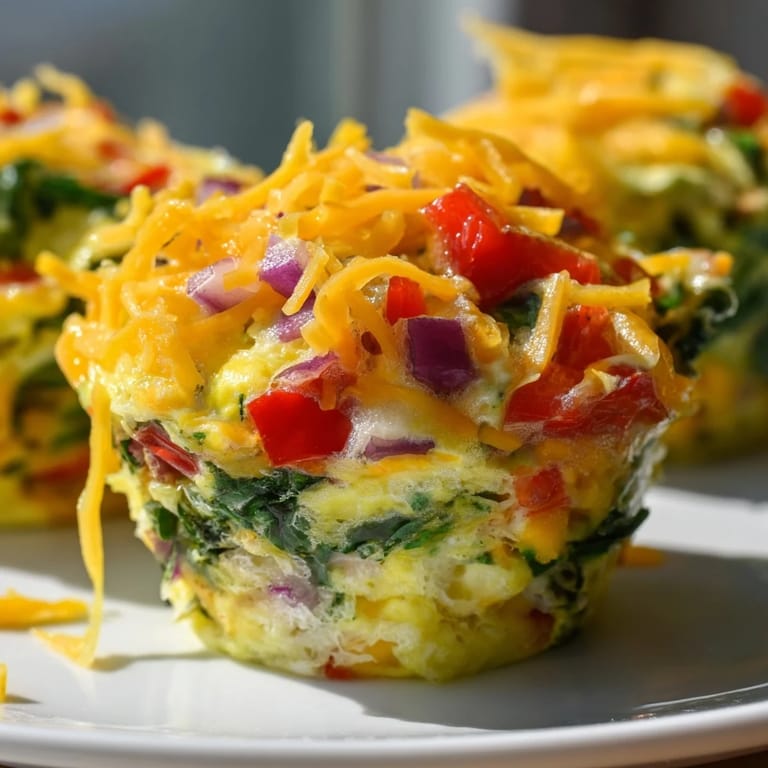
 One Tuesday morning, I was staring at a fridge full of random vegetables and half a carton of eggs, wondering what could possibly turn into breakfast without being scrambled eggs for the hundredth time. I'd seen egg muffins mentioned in passing, but something about baking eggs in a tin sounded either genius or slightly absurd—I wasn't sure which. Twenty minutes later, when I pulled golden, puffy little egg cups from the oven and realized I'd accidentally created the perfect grab-and-go breakfast, I became one of those people who makes them constantly. The best part? They're so forgiving that you can throw in whatever you have on hand.
I made these for a camping trip with friends, and somehow they became the unexpected star of the cooler. Everyone was so tired of bagels and granola bars that when I pulled out a container of these warm-from-the-campfire-reheated muffins, people actually got excited about breakfast. One friend asked for the recipe right there by the fire pit, and I realized these little egg cups had done what no Instagram-worthy pancake ever could—they made people genuinely happy at 6 a.m. in the mountains.
Ingredients
- Large eggs (8): They're the foundation, and using fresh ones makes a noticeable difference in the fluffiness—older eggs separate more easily, which can change the texture.
- Milk (1/4 cup): This is what makes them airy instead of dense, so don't skip it or use too much, or you'll end up with something closer to a frittata.
- Salt and black pepper: Season boldly here since the vegetables and cheese will add their own flavors; timid seasoning makes them taste bland.
- Bell peppers (1/2 cup diced): They soften beautifully during baking and add sweetness, so chop them small so they cook through evenly.
- Spinach (1/2 cup chopped): Squeeze out excess moisture or it'll release water during cooking and make them watery.
- Red onion (1/4 cup diced): Raw onion brings a slight bite that mellows as it bakes, adding depth without being overwhelming.
- Cherry tomatoes (1/2 cup halved): They burst slightly and create little pockets of sweetness, but halve them so they don't roll around in the tin.
- Shredded cheddar cheese (3/4 cup): Cheddar melts evenly and doesn't get tough, though feta and goat cheese create a tangier flavor if you prefer that.
- Optional bacon or sausage (1/4 cup): Cook and crumble it first so the fat distributes evenly and the meat doesn't clump in one muffin.
- Fresh herbs (2 tbsp): Parsley stays mild, chives add a gentle onion note, and basil brings a floral touch—pick based on your mood.
- Red pepper flakes (1/4 tsp): A whisper of heat that becomes more pronounced as they cool, so taste the batter first.
Tired of Takeout? 🥡
Get 10 meals you can make faster than delivery arrives. Seriously.
One email. No spam. Unsubscribe anytime.
Instructions
- Get your muffin tin ready:
- Preheat your oven to 350°F while you grease a 12-cup muffin tin with nonstick spray or slip in silicone liners. The temperature matters here—too hot and the edges set while the centers stay custardy, too cool and they take forever and dry out.
- Build the base:
- In a large bowl, whisk the eggs with milk, salt, and pepper until it looks slightly frothy and the whole thing is one uniform pale yellow. This aeration is what gives them that fluffy, light texture instead of dense scrambled-egg vibes.
- Fold in your vegetables and cheese:
- Stir in your peppers, spinach, onion, tomatoes, cheese, and any mix-ins until everything is evenly distributed. Spend a real minute on this—uneven distribution means some muffins will be loaded while others are just plain egg.
- Fill the muffin cups:
- Divide the mixture evenly among all 12 cups, filling each about three-quarters full. Overfill them and they'll spill over the sides during baking, underfill and they'll look sad and deflate as they cool.
- Bake until they're set:
- Slide them into the oven for 18 to 22 minutes—you're looking for the centers to feel just barely set when you jiggle the tin, with light golden edges. Every oven is different, so start checking at 18 minutes rather than walking away.
- Cool and release:
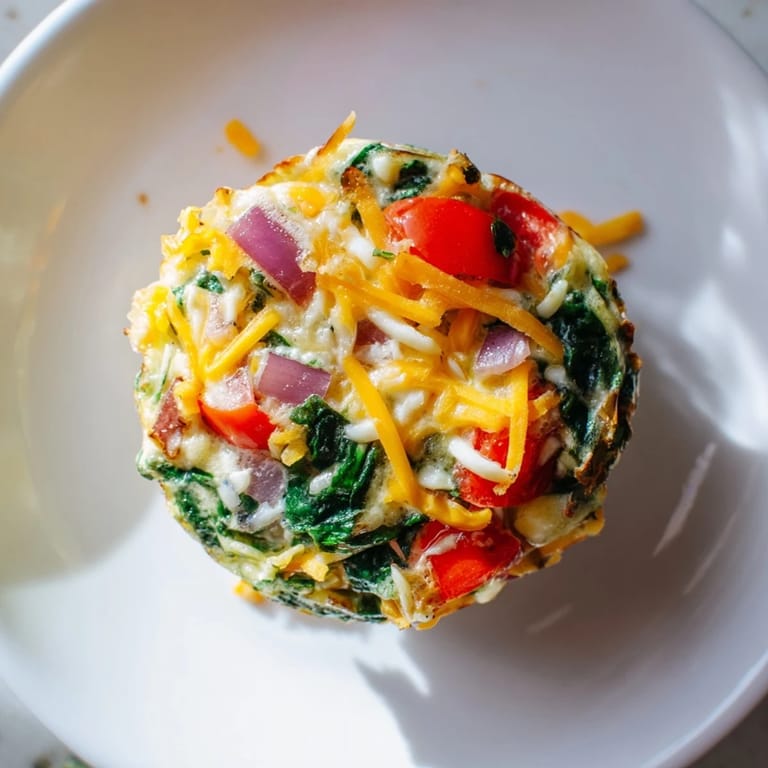
- Let them sit in the tin for 5 minutes so they firm up enough to come out without falling apart, then run a small knife around each one if they're being stubborn. They'll finish setting as they cool slightly, and they're honestly best served while still warm enough to taste the cheese.
 Save to Pinterest
 There was a morning when my son grabbed a cold egg muffin with one hand while running out the door to school, and I realized these little things had quietly solved the daily breakfast battle. No complaining, no rush, just food that actually keeps him full until lunch. That's when I understood that sometimes the best recipes aren't the fanciest—they're just the ones that make ordinary days a tiny bit easier.
Customization is the Whole Point
The beauty of these muffins is that they're a blank canvas for whatever you have hanging around your crisper drawer. Zucchini, mushrooms, broccoli, asparagus, sun-dried tomatoes—they all work beautifully and cook through in the time the eggs need to set. The vegetable-to-egg ratio stays the same, so you can be as creative as you want without worrying about the structure falling apart. I've made them with leftover roasted vegetables, caramelized onions, and even crumbled feta with fresh dill when I was trying to use up odds and ends.
Make-Ahead and Storage Magic
These freeze like champions, which is the secret to the grab-and-go breakfast dream actually becoming real life. Bake them, let them cool completely, and stack them in a freezer container with parchment between layers so they don't stick together. They'll keep frozen for up to two months, and a 40-second microwave blast brings them back to almost-fresh. Even in the fridge, they stay good and moist for four days, making them perfect for meal-prepping when you can't be bothered with breakfast chaos midweek.
Dietary Shifts and Swaps
If dairy isn't part of your world, these adapt beautifully—use non-dairy milk and either skip the cheese entirely or use one of the plant-based options that actually melt and taste good. The muffins won't be quite as rich, but they'll still be fluffy and satisfying if you bump up the vegetables and herbs to compensate. For anyone avoiding gluten, these are naturally glutenfree as long as your mix-ins don't sneak in any hidden grains, and the same goes for keto or low-carb approaches—just load them up with cheese and skip the tomatoes if you're counting carbs.
- Dairy-free versions work best with cashew-based cheeses, which melt smoother than most alternatives.
- Make them protein-packed by adding extra ham, turkey sausage, or smoked salmon for something entirely different.
- Herb-forward batches with fresh tarragon or dill transform them into something that tastes almost restaurant-quality.
 Save to Pinterest
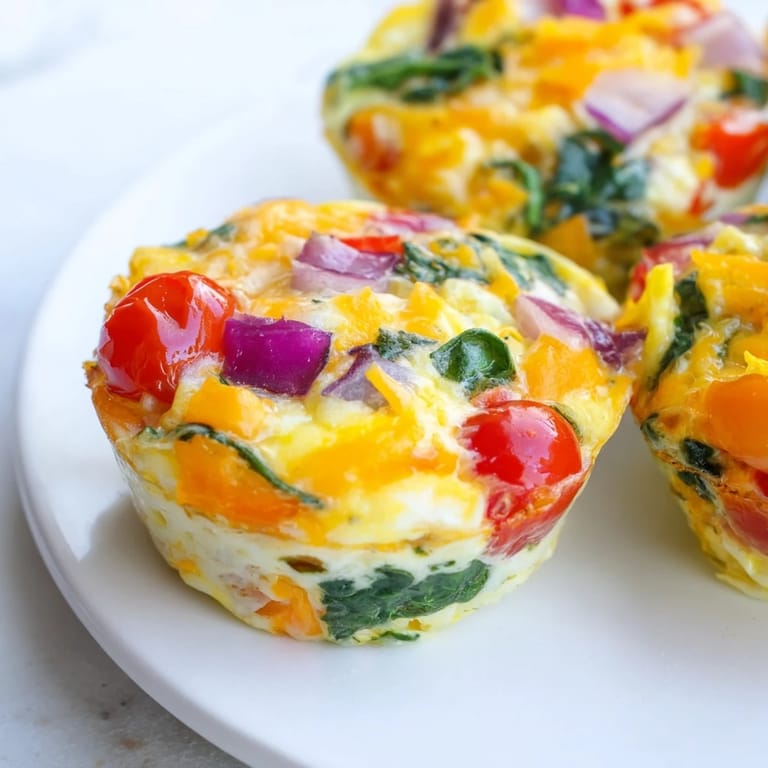
 These egg muffins became one of those recipes that quietly moves into your regular rotation and never quite leaves. They're simple enough that you don't think twice about making them, flexible enough to keep up with whatever's in your kitchen, and good enough that people actually want to eat breakfast when you serve them.
Recipe FAQs
- → What vegetables work best in these muffins?
Diced bell peppers, spinach, cherry tomatoes, and red onion add vibrant color and flavor, but zucchini, mushrooms, and broccoli also work well.
- → Can I make these muffins dairy-free?
Yes, substitute milk with a non-dairy alternative and use dairy-free cheese or omit cheese altogether.
- → How long should I bake the muffins?
Bake them at 350°F (175°C) for 18–22 minutes until set and lightly golden on top.
- → Can I add meat or herbs to the mixture?
Absolutely, cooked bacon or sausage can be added, as well as fresh herbs like parsley, chives, or basil for extra flavor.
- → How do I store leftover muffins?
Store in an airtight container in the fridge for up to 4 days or freeze for up to 2 months. Reheat in the microwave before serving.