 Save to Pinterest
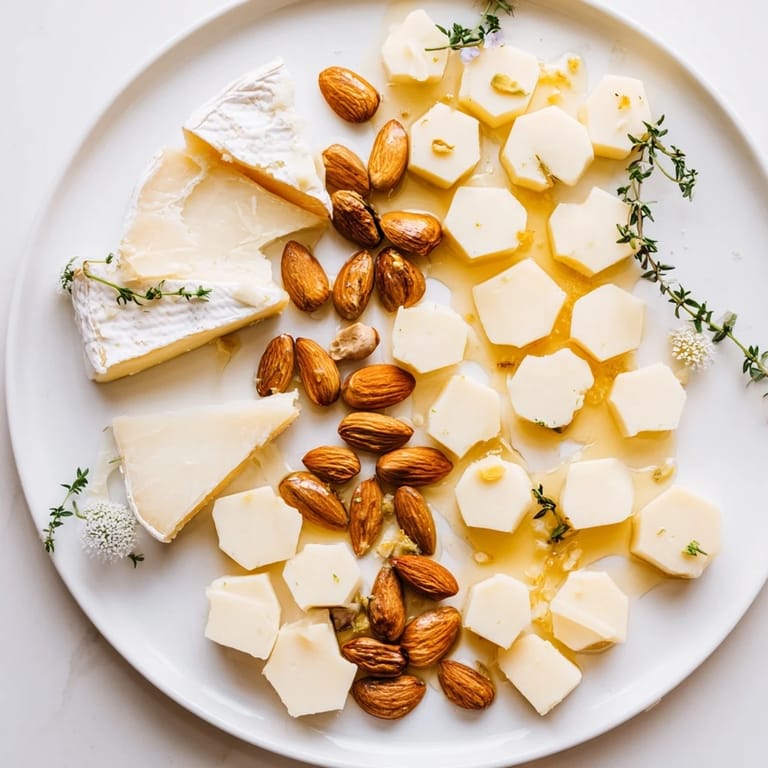
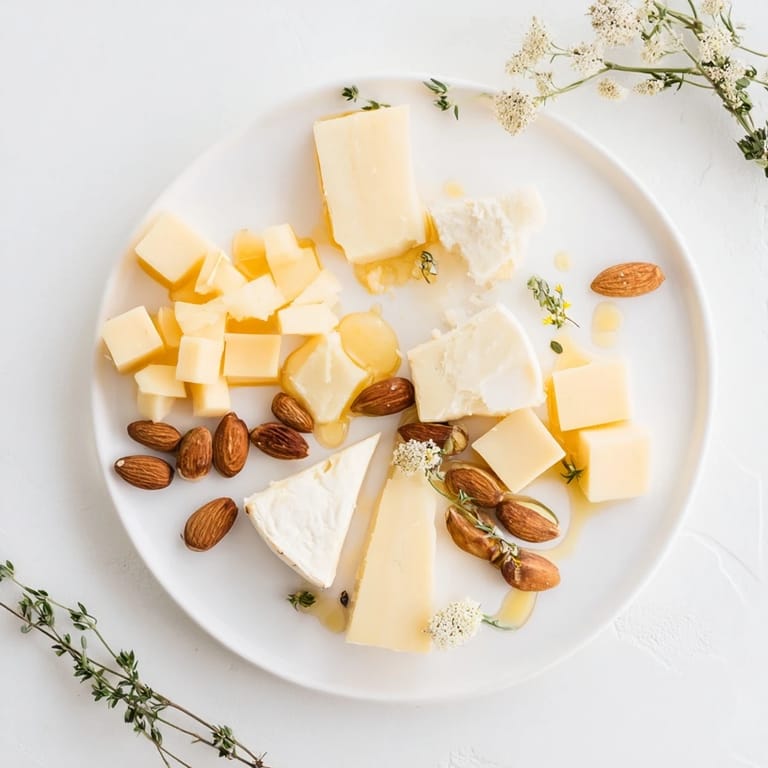
 I'll never forget the first time I arranged a cheese board as a geometric puzzle. A friend had just returned from a trip to a honeycomb farm in Provence, and she brought back this stunning jar of amber honey that seemed to glow in the light. That evening, while we were brainstorming appetizers for a dinner party, she mentioned how the hexagonal cells of a beehive had captivated her imagination. I looked at the manchego and cheddar in my fridge, grabbed a knife, and thought—what if we could turn cheese into architecture? By the end of the night, we'd created this Honeycomb Hexagon Maze, and our guests couldn't believe they were eating edible geometry. It became the centerpiece of the table, but more than that, it became a memory of creativity and play in the kitchen.
I made this for a small dinner party on a Saturday evening when I was determined to prove that an appetizer could be both conversation-starting and genuinely delicious. As my guests arrived, their eyes went straight to the platter—before they even put down their coats. One friend who rarely eats cheese found herself reaching for piece after piece, drawn in by the visual rhythm of the hexagons and the way the honey caught the light. That moment taught me that food isn't just about flavor; it's about the story you tell with how you present it.
Ingredients
- Manchego Cheese: This Spanish sheep's milk cheese has a firm, slightly crumbly texture that's perfect for cutting into clean hexagonal shapes. It holds its form beautifully and brings a subtle nuttiness that feels refined without being heavy.
- Cheddar Cheese: I choose a sharp cheddar because it provides a bold, tangy contrast to the milder manchego. The firmness makes it ideal for geometric cutting, and it adds personality to every bite.
- Brie: The creamy, soft brie acts as a luxurious bridge between the harder cheeses. I like to cut it into small wedges because it melts slightly against the warmer cheeses, creating little moments of indulgence.
- Roasted Almonds: These add a gentle crunch and earthy sweetness that grounds the richness of the cheese. Make sure they're roasted but not oversalted, so they don't overpower the delicate balance.
- Shelled Pistachios: The vibrant green and subtle saltiness of pistachios bring color and an interesting flavor note that makes people pause and take notice. They're the jewelry of the board.
- High-Quality Honey: Don't skimp here. A floral or herb-infused honey will elevate the entire platter. I use 3 tablespoons, which is enough to drizzle generously and let it pool in the crevices, adding sweetness and shine.
- Fresh Thyme Sprigs: A quiet accent that adds aroma and a whisper of herbal flavor. It's optional, but it transforms the board from beautiful to memorable.
- Edible Flowers: If you have access to them, nasturtiums or pansies add a touch of whimsy and color. They're the final flourish that makes people smile.
Tired of Takeout? 🥡
Get 10 meals you can make faster than delivery arrives. Seriously.
One email. No spam. Unsubscribe anytime.
Instructions
- Cut Your Cheeses into Hexagons:
- This is where patience pays off. If you have a small hexagonal cookie cutter, use it—it's a game-changer and takes the stress out of precision. If you're cutting by hand, visualize a honeycomb pattern and make angled cuts with a sharp knife. The cheeses don't have to be perfectly uniform; slight variations actually add to the organic, handmade appeal. Chill the cheese for 15 minutes before cutting if it's too soft to hold a clean edge.
- Arrange the Geometric Foundation:
- Find your largest, flattest serving board or platter. Start in the center and place your first manchego hexagon, then build outward in an interlocking pattern, just like a real honeycomb. The pieces should fit snugly together, creating those satisfying little gaps that will soon be filled with nuts and honey. Step back occasionally to check the visual balance—this is where the magic happens.
- Fill the Gaps with Nuts:
- Scatter your roasted almonds and pistachios into the spaces between cheese pieces, alternating colors for visual interest. This isn't about precision; let your eye guide you. You're creating pockets of texture and flavor that will complement the cheese when someone picks up a bite. The nuts should feel nestled and intentional, not haphazard.
- Drizzle the Honey:
- Warm your honey slightly if it's thick—just a few seconds in warm water, enough to make it pourable but not hot. Using a small spoon or honey dripper, create generous trails across the entire platter. Let it pool in the crevices and between the cheese pieces. The honey should look glossy and inviting, catching the light like liquid gold.
- Add the Final Flourishes:
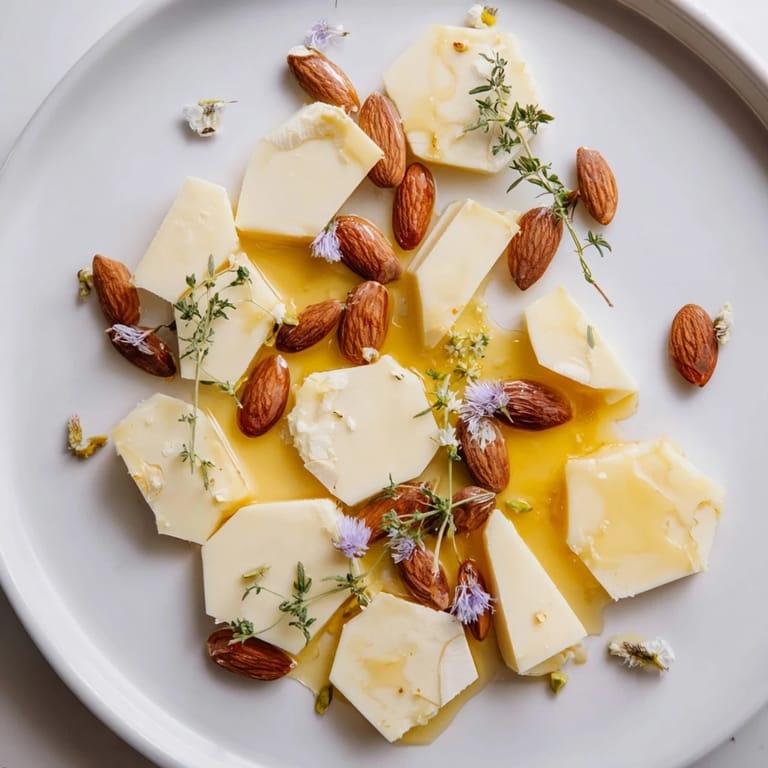
- Scatter fresh thyme sprigs across the platter and, if you have edible flowers, place them thoughtfully among the hexagons. These garnishes aren't just decoration—they add aroma and a subtle flavor hint that makes the experience multi-sensory. Stand back and admire your work; it should look like something you'd see in a magazine.
- Serve with Presence:
- Place small forks or toothpicks alongside the platter. Serve immediately so the cheeses are still at their perfect temperature and the honey hasn't begun to crystallize. Introduce it as if you're unveiling a work of art, because you are.
 Save to Pinterest
 I learned something unexpected when a young child at one of my gatherings carefully studied the honeycomb board for several minutes, then whispered to their parent, 'It's like the bees knew about beauty too.' That's when I realized this platter had become more than an appetizer—it was a conversation starter about geometry, nature, and the simple joy of thoughtful presentation.
Choosing Your Cheeses Wisely
The trio of manchego, cheddar, and brie works because they each bring something different to the table. Manchego is your sophisticated anchor with its subtle nutty flavor. Cheddar is your bold voice, adding sharpness and tang. Brie is your luxurious softener, creating textural contrast. If you want to experiment, gouda or comté are wonderful substitutes that maintain this balance. Think of it like composing a musical piece—you want melody, harmony, and depth, not three of the same note. The key is choosing firm cheeses that hold their shape when cut, so avoid anything too soft or crumbly unless you're ready to crumble it intentionally.
The Art of the Honeycomb Pattern
Creating a honeycomb pattern is easier than it sounds once you understand the basic principle: each hexagon touches six others, creating a seamless, interlocking grid. Start from the center and work outward, and you'll naturally fall into the rhythm. The beauty of this approach is that it's forgiving—minor imperfections add character and authenticity. I've learned that viewers are more impressed by the overall effect than by perfect uniformity. The slight variations in how pieces nestle together actually make it look more handcrafted and intentional. If you have a hexagonal cookie cutter, you're essentially guaranteed success. If you're cutting by hand, invest five minutes in sketching your pattern on paper first. It might feel silly, but it removes the guesswork and lets you focus on clean, confident cuts.
Customization and Pairing Ideas
This platter is endlessly adaptable to your preferences and dietary needs. For a vegan version, use plant-based cheeses and agave syrup instead of honey. The flavors will shift slightly, but the visual impact remains stunning. For a heartier appetizer, add some crackers around the perimeter or serve with crusty bread. I've also experimented with different nuts—candied walnuts, toasted hazelnuts, and macadamia nuts all bring their own character. The honey can be flavored too: try infusing it with lavender, rosemary, or even a hint of truffle oil for a more dramatic pairing. Consider the occasion and your guests' preferences. A formal dinner might call for edible flowers and herbs, while a casual gathering could skip the garnish and focus on the pure pleasure of cheese and honey. The versatility is one of its greatest strengths.
- Pair with a crisp white wine like Sauvignon Blanc or a sparkling wine for an elegant contrast to the richness.
- Have small bread rounds or crisps available on the side, but present the platter first so guests appreciate the geometry before building bites.
- Prepare the component parts ahead of time, but assemble the final board no more than 30 minutes before serving to keep everything looking pristine.
 Save to Pinterest
 There's something deeply satisfying about creating food that's beautiful enough to frame and delicious enough to savor. The Honeycomb Hexagon Maze does both, proving that elegance and approachability aren't mutually exclusive. Every time you arrange this platter, you're creating a moment of joy.
Recipe FAQs
- → What cheeses work best for the hexagon shapes?
Firm cheeses like manchego, cheddar, and brie hold their shape well when cut into hexagons. You can also try gouda or comté for variation.
- → How can I create perfect hexagon cheese pieces?
A small hexagonal cookie cutter helps achieve uniform shapes, but careful knife cutting also works well.
- → Can I substitute the honey with another drizzle?
Agave syrup or maple syrup can be used as vegan alternatives that complement the nutty flavors.
- → What garnishes enhance this platter’s presentation?
Fresh thyme sprigs and edible flowers add color, aroma, and a touch of elegance to the arrangement.
- → Are there wine pairings recommended for this dish?
Dry white wines or sparkling wines offer a refreshing contrast to the creamy cheeses and honey glaze.