 Save to Pinterest
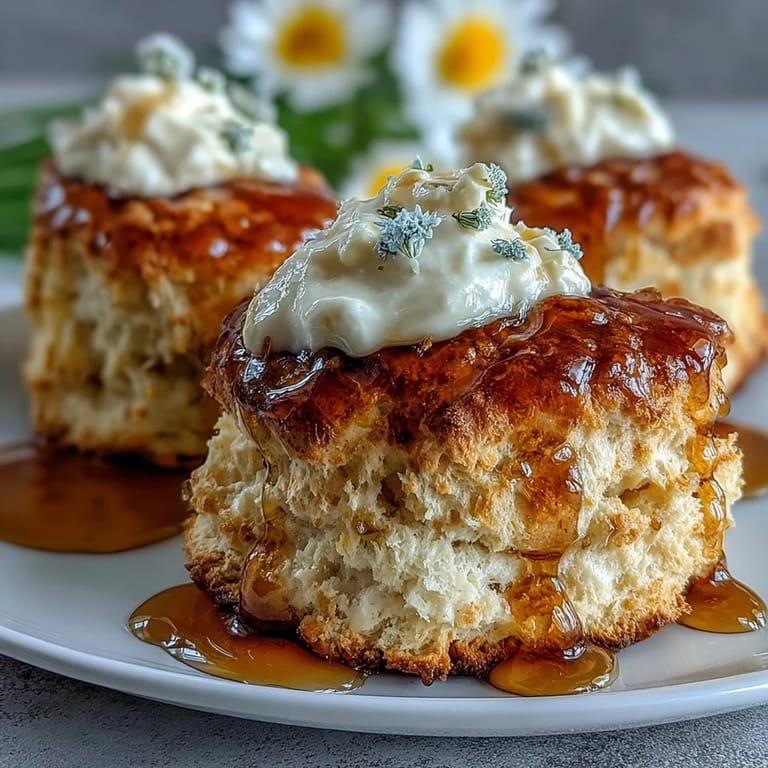
 The scent of dandelion honey always reminds me of the first sunny day after a long stretch of rain, when the garden bursts into bloom and I get the urge to bake something bright and comforting. One chilly spring afternoon, I stumbled upon a jar of this golden honey while browsing a local farmer's market, and immediately wondered what a scone would taste like kissed with its floral sweetness. Baking scones feels like a small celebration—the quiet act of mixing, kneading, and shaping dough has a way of anchoring me. These Dandelion Honey Scones with Clotted Cream turned out so light and fragrant, I couldn't resist pairing them with a pot of strong black tea near the open window.
One time, I baked a batch for a friend dropping by unexpectedly, and the kitchen filled with earthy, sweet aromas that made us both laugh at how inviting it felt. She insisted I share the recipe after a single bite, and now it's become my go-to for spring gatherings—even my neighbor, who stops for tea, asks if I've made these again.
Ingredients
- All-purpose flour: Measure with a light hand for scones that stay airy rather than dense.
- Granulated sugar: Just enough for gentle sweetness; I've learned less is more for this recipe.
- Baking powder: Gives the scones their signature rise—don't skip or skimp here!
- Fine sea salt: Balances and enhances the honey's flavor—I've tried with regular salt, but sea salt really pops.
- Cold unsalted butter, cubed: Work quickly to keep the butter cold; that's what makes the crumb tender.
- Dandelion honey (or mild honey): This gives a mellow floral note—if you can't find dandelion, any mild honey works beautifully.
- Whole milk: Higher fat milk makes scones richer; I've tried low fat, but it's not quite the same.
- Large egg: Whisk well for an even, golden bake.
- Dandelion honey (for drizzling): The drizzle echoes the honey in the dough—don't skip it!
- Clotted cream: The classic British touch—alternatives work, but clotted cream steals the show.
Tired of Takeout? 🥡
Get 10 meals you can make faster than delivery arrives. Seriously.
One email. No spam. Unsubscribe anytime.
Instructions
- Set the stage:
- Preheat your oven to 400°F (200°C) and line a baking sheet with parchment paper so nothing sticks and cleanup is easy.
- Mix dry magic:
- In your largest bowl, whisk together the flour, sugar, baking powder, and salt—watch for that soft white cloud as you stir.
- Butter it up:
- Drop in the cold cubes of butter and quickly rub them in with a pastry blender or your fingertips until the mixture feels crumbly, almost sand-like.
- Honeyed wet mix:
- In another bowl, whisk the honey, milk, and egg until glossy and smooth—listen for the quiet sound of whisking.
- Bring together:
- Pour wet into dry and stir gently with a fork or spatula; the dough should just come together, still a bit messy—don't overmix.
- Shape & cut:
- Turn out dough onto a lightly floured surface and pat it into a 1-inch-thick round—use your cutter to press out scones, gathering scraps as needed.
- Brush for gold:
- Lightly brush the tops with milk to help them bake up shiny and golden.
- Bake and rise:
- Slide into the oven for 12–15 minutes until you see golden tops rising and can smell the honey.
- Cool & serve:
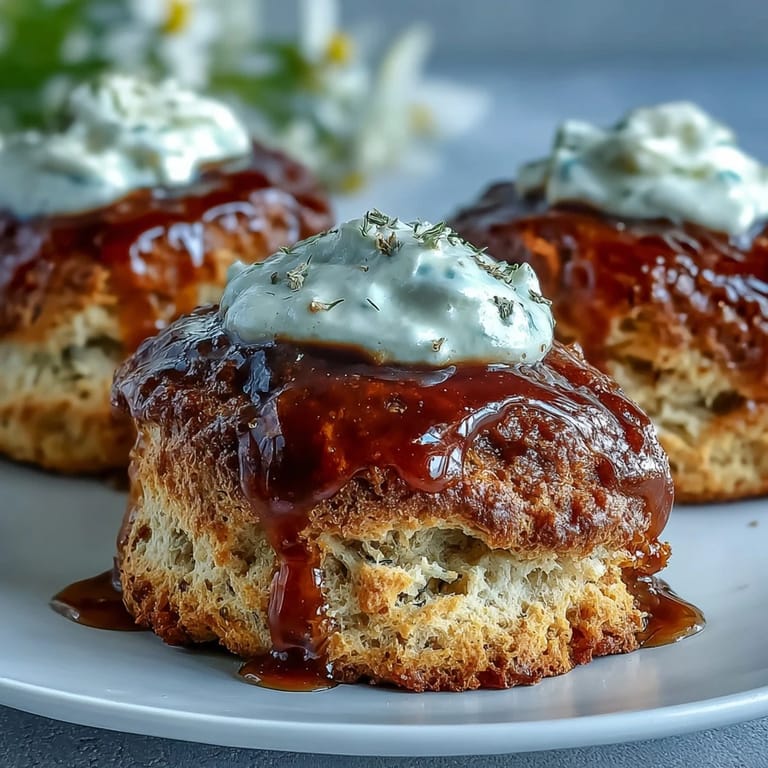
- Let scones cool on a wire rack; serve warm or at room temperature with clotted cream and a drizzle of honey for a luscious finish.
 Save to Pinterest
 There was a Saturday morning when these scones were the centerpiece of my kitchen table, surrounded by laughter, mismatched mugs, and daffodils from the garden. It wasn't until my youngest asked for a second helping that I realized these scones had become part of our family weekend ritual, not just a recipe.
What Makes These Scones Stand Out
Using dandelion honey gives the scones a flowery note you can't fake with regular sugar or honey, and the texture stays moist for hours thanks to the butter-and-egg combo. Each bite feels like spring distilled into something you can actually taste.
How to Serve Up Scones Like a Brit
Clotted cream is a little decadent, but it's the traditional pick—spread it thick and drizzle extra honey for a luscious treat. Sometimes, I swap in crème fraîche when I run out, and honestly, no one's complained yet.
Easy Ways to Make Them Your Own
I experimented by folding in a teaspoon of dried dandelion petals one day, and the scones looked and tasted even better. Try swapping the honey or using a mix of citrus zest for a fresh twist—this dough is forgiving and loves a little personality.
- If your kitchen is warm, refrigerate the dough for 10 minutes before cutting.
- Scones taste best within a few hours, but leftovers can be lightly warmed.
- Once cooled, store tightly wrapped to keep them soft.
 Save to Pinterest
 Whether you bake these scones for a cozy tea or to share with friends, they'll bring a sunny, floral vibe into your kitchen. Enjoy every warm bite—they disappear fast!
Recipe FAQs
- → What gives these scones their unique flavor?
Dandelion honey adds a subtle floral sweetness, making them stand out in classic British baking.
- → Can I use regular honey instead of dandelion honey?
Yes, substitute any mild-flavored honey if dandelion honey is unavailable for similar sweetness.
- → What’s the best alternative to clotted cream?
Thick crème fraîche or mascarpone are good substitutes if clotted cream isn't available.
- → How do I achieve a tender, fluffy texture?
Use cold unsalted butter and avoid overmixing to ensure your scones stay light and crumbly.
- → How long can I store the scones?
Store them in an airtight container for up to two days, but they are best enjoyed fresh and warm.
- → What tools are needed for this bake?
You’ll need mixing bowls, a pastry blender or fork, whisk, round cutter, baking sheet, parchment paper, and a pastry brush.