 Save to Pinterest
 I'll never forget the Sunday afternoon when my neighbor challenged me to bring something unforgettable to our annual game day gathering. As I stood in my kitchen that morning, I realized I had a chance to turn snacking into an art form. That's when it hit me—why not create an edible football field that would have everyone gathered around before kickoff even started? I spent the next hour arranging cheeses, dips, and vegetables like I was coaching the ultimate snack team. When everyone arrived and saw that board, their faces lit up exactly the way I'd hoped. It wasn't just food anymore; it was a conversation starter, a centerpiece, and honestly, one of my favorite kitchen triumphs.
I remember my teenage son's friends showed up early that day, and instead of heading straight to the living room, they clustered around the kitchen island where this board sat. One of them said, 'Did you buy this from a restaurant?' I laughed and told him I'd assembled it myself. That moment—knowing that something I'd made with my own hands impressed a room full of skeptical teenagers—that's when I understood the real power of a beautiful snack board. It bridges the gap between effort and impact in the most elegant way.
Ingredients
- Guacamole: This is your field, so choose a really good one or make it fresh. I learned the hard way that store-bought guacamole sitting out for more than an hour starts to brown, so assemble this close to serving time. It creates that gorgeous green base that makes everything else pop.
- Fresh parsley or cilantro: This isn't just garnish—it adds texture and makes your field look like actual grass. I prefer cilantro for a little extra flavor pop, but parsley works beautifully too.
- Mozzarella string cheese or white cheddar: Thin strips create those crisp yard lines. String cheese is easier to work with because it naturally separates into thin pieces. Cut them as thin as you can manage without them breaking apart.
- Sour cream: If you want perfectly straight lines like a real football field, use this in a piping bag. It sounds fancy but it's just sour cream, and it tastes amazing with chips.
- Salsa: Pick one you actually love eating, because this will be half of your end zones and people will absolutely eat it. I go for a chunky variety with real tomato pieces.
- Hummus or black bean dip: The contrasting color makes your end zones visually distinct. Black bean dip is richer and earthier, while hummus is lighter and more versatile.
- Tortilla chips, mini pretzels, baby carrots, celery sticks, bell peppers, cherry tomatoes, olives, and pickles: These are your dippers and decorative elements. Buy them fresh the morning of if possible. The crunchiness matters.
- Chives and shredded cheddar: These optional touches add little bursts of color and extra flavor that make people ask what you did differently.
Tired of Takeout? 🥡
Get 10 meals you can make faster than delivery arrives. Seriously.
One email. No spam. Unsubscribe anytime.
Instructions
- Create your field base:
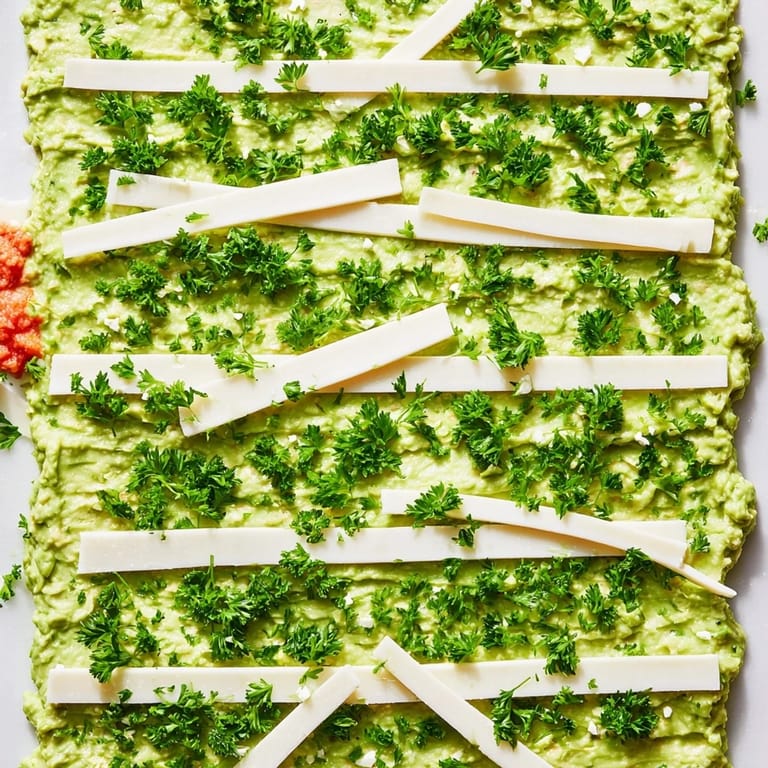
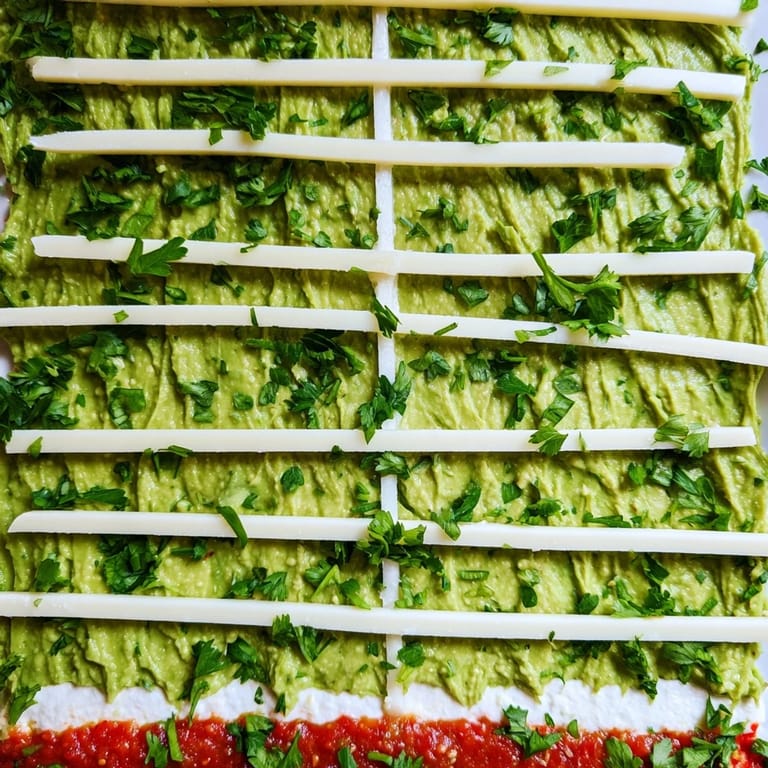
- Spread that guacamole evenly across your large rectangular board or tray, starting from the center and working outward. Use an offset knife or spatula to smooth it as much as you can. This is your canvas, so take your time. The smoother you make it, the more polished the whole thing looks.
- Add the grass:
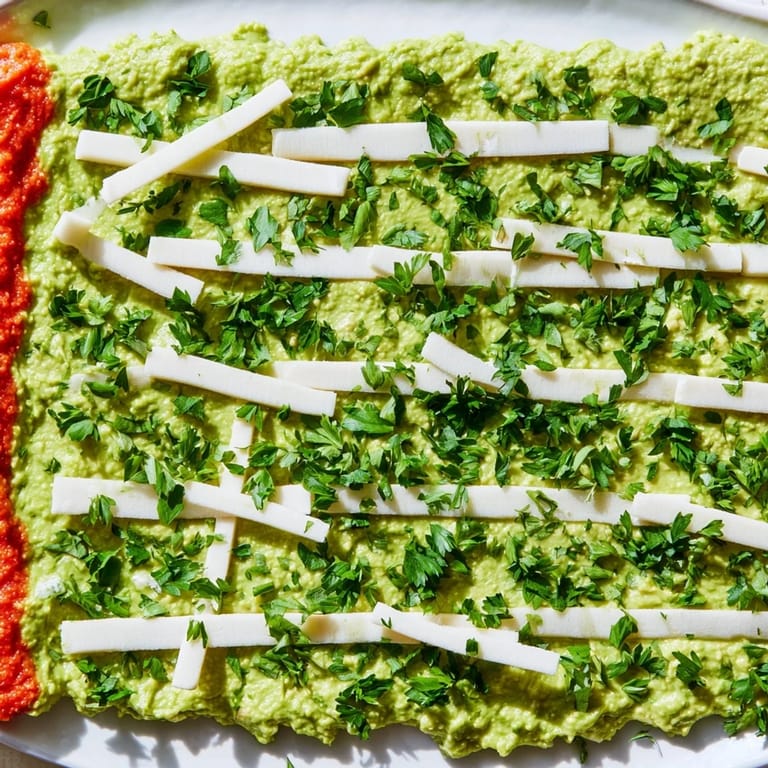
- Sprinkle your chopped parsley or cilantro evenly over the guacamole. Use your fingers to gently press it in so it stays put. You're aiming for a grass-like texture that covers most of the green underneath but still lets that gorgeous color show through.
- Mark the yard lines:
- This is where you get to be precise and a little artistic. Take your string cheese strips and lay them horizontally across the field, spacing them evenly to look like actual yard lines. If you want them perfectly straight, fill a small zip-top bag or piping bag with sour cream, snip a tiny corner, and pipe thin white lines. It feels fancy but honestly takes less than five minutes, and your friends will think you're a genius.
- Fill the end zones:
- Spread salsa in one short end of the board and your chosen dip in the other end. Make these regions distinct and colorful—they're the landing zones, after all. Smooth them out so they look intentional and planned.
- Arrange your dippers:
- Place your tortilla chips, pretzels, carrots, celery, bell peppers, tomatoes, olives, and pickles around the sides of the field and in any remaining spaces. You can arrange them in rows to look organized and intentional, or scatter them for a more casual, abundant vibe. Both work beautifully.
- Final garnish:
- Scatter chives and any shredded cheddar across the board for little pops of color and extra flavor. This step takes two minutes but elevates everything visually.
- Serve immediately:
- Set your board out just before game time with small plates and plenty of napkins nearby. People will gather around it immediately, and that's exactly what you want.
 Save to Pinterest
 What I love most about this snack board is that it somehow became the thing people talked about long after the game ended. A friend texted me the next day asking if I could make one for her book club gathering. That's when I realized this wasn't just clever entertainment—it was something that made people feel genuinely delighted and cared for. Now every game day at my house, someone asks, 'Are you making the football field again?'
Making It Your Own
The beauty of a snack board is that it's a blank canvas for your creativity and your guests' preferences. I've made vegan versions by swapping in plant-based cheeses and creative dips like roasted red pepper hummus. I've added sliced salami and cheese cubes for groups that wanted more protein. I've even used halved cherry tomatoes to look like little footballs scattered across the field, which delighted kids and adults alike. The foundation stays the same, but the details are entirely up to you. Think about what your crowd loves and build from there. The structure of the football field is just a fun framework—fill it with the foods that make people at your table happiest.
Timing and Preparation Tips
The absolute best part about this recipe is that there's no cooking involved, just thoughtful assembly. I recommend gathering all your ingredients and laying them out about an hour before guests arrive so you're not hunting through cabinets at the last minute. Wash and cut your vegetables the night before if you want to save yourself time on game day. Use a large cutting board or platter as a staging area to arrange everything before it goes on the final board—this lets you preview how it'll all look and make adjustments before anything touches the guacamole base. Take photos before people start eating. Trust me, this board is too beautiful not to document, and you'll want to remember exactly how you arranged it for next time.
Elevating the Experience
I've learned that the smallest details often make the biggest impression. Serving with small plates means people can actually enjoy the board without picking at it directly with their hands. Having plenty of small napkins around prevents people from wiping their hands on their clothes. Keeping backup dips in small bowls nearby means the board stays presentable throughout the game instead of looking picked-over by the second quarter. One year I labeled the end zones with little place cards, and everyone thought it was hilarious. Another time, I arranged things so carefully that some guests asked if I'd learned board styling professionally. I hadn't—I'd just paid attention to what I'd noticed worked.
- Set everything up 20 minutes before kickoff so the board is ready and inviting when people arrive
- Keep backup portions of dips refrigerated and transfer them to the board as needed throughout the game
- Use a shallow board or platter rather than a deep one so everything is visible and accessible
 Save to Pinterest
 This game day football field snack board has become my signature contribution to gatherings, and I'm genuinely proud of that. It proves that with a little imagination and attention to detail, something simple—vegetables, dips, and cheese—can become memorable.
Recipe FAQs
- → What ingredients create the 'field' in this snack board?
Guacamole or alternatives like spinach hummus or pesto form the green base resembling the field.
- → How are the yard lines represented?
Thin strips of mozzarella string cheese or white cheddar are laid across the base to mimic yard lines, optionally piped with sour cream.
- → What can be used to decorate the end zones?
Salsa and hummus or black bean dip are spread at each end to represent end zones, contrasting colors and textures.
- → Are there options for dietary preferences?
Yes, plant-based cheeses and dips can replace dairy to accommodate vegan guests.
- → Which snacks complement the board layout?
Tortilla chips, mini pretzels, baby carrots, celery sticks, bell peppers, cherry tomatoes, olives, and pickles add variety and visual appeal.